Fittees Physical Therapy and Wellness

Vestibular Therapy in Wylie

The room spins when you roll over in bed, so now you sleep propped up to avoid finding out.

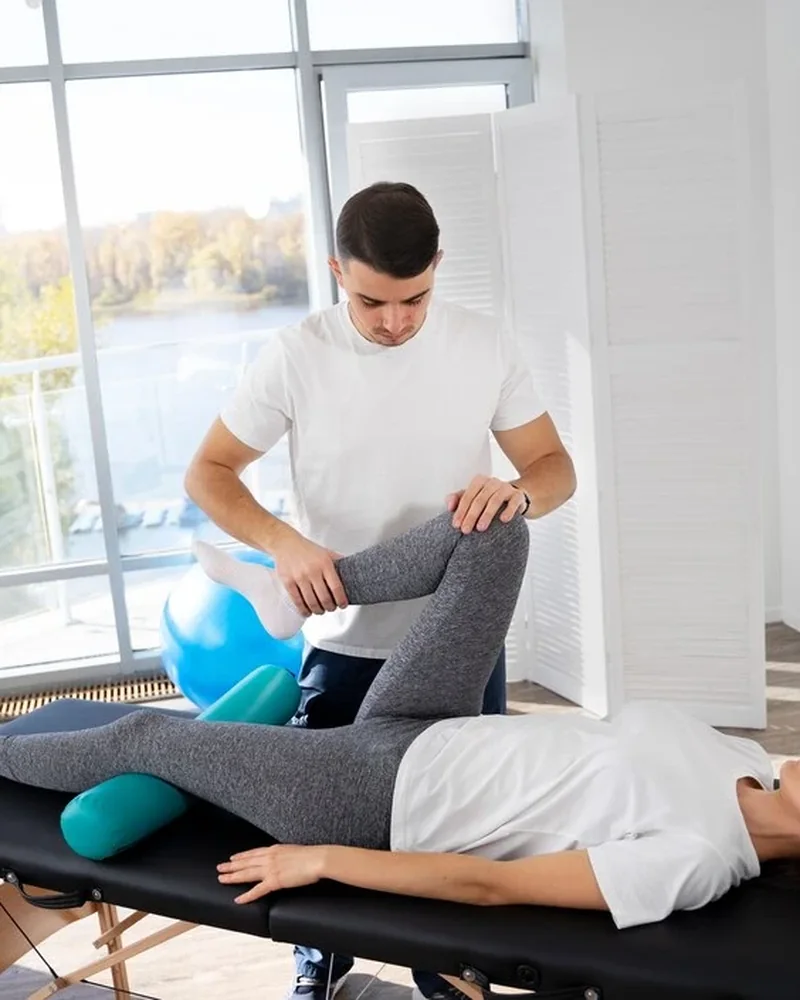
Doctor of Physical Therapy guiding a patient through a balance and gaze test
01What It Is

What is vestibular therapy?

Vestibular therapy is retraining for the balance system in your inner ear and the reflexes that depend on it. Your brain keeps you upright by comparing three streams of information: what the inner ear senses about head motion, what your eyes see, and what your joints and muscles report about where your body is. When the inner ear stream becomes faulty, or the streams stop agreeing with each other, you get vertigo, unsteadiness, blurring when you turn your head, or a fog that worsens in busy places. Dr. Egbuzie is certified in Vestibular Rehabilitation and in Concussion Management, and the evaluation exists to sort out which of those systems is actually at fault. Not all dizziness is the same problem, and treating it as though it were is why so many people are simply told to wait it out. Positional vertigo caused by loose crystals in a canal is managed differently from an inner ear that has lost function on one side, and both are different again from the dizziness that follows a concussion. What the examination finds is what determines the treatment, which is why a first visit here is mostly testing.

You do not need a referral to be assessed in Texas. The evaluation runs 45 to 60 minutes with Dr. Egbuzie, one on one, which is genuinely how long this examination takes. Fittees is cash-based with a detailed superbill you can submit for reimbursement. Positional vertigo can change quickly, while other presentations typically run two to three visits a week for four to six weeks.


02Who It's For

Who it's for.

Dizziness has many causes and not all of them belong here. These are the presentations vestibular therapy is actually built for.

01

The spinning that comes with a change of position

You roll over, lie back at the dentist, or reach up to a high shelf, and the room turns hard for well under a minute, then settles. That pattern points toward BPPV, where displaced crystals are moving inside a canal they do not belong in. It is identified with a positional test and treated with a repositioning maneuver in the same visit.

02

The unsteadiness that never quite left

After an inner ear infection, a bout of vestibular neuritis, or an episode nobody ever explained, the spinning stopped but the ground never felt solid again. Supermarket aisles, dim rooms and crowds are the worst of it. This responds to a graded program that pushes your brain to recalibrate rather than avoid, uncomfortable early and effective over weeks.

03

The dizziness that followed a concussion

A head impact can leave headaches, fog, neck pain and dizziness that worsen with screens, exercise or a busy room. Dr. Egbuzie is certified in Concussion Management, and this work sits alongside the neck treatment a concussion usually also needs. Return to sport, school or work is graded, monitored, and based on how you tolerate load.

03What To Expect

What to expect in a session.

The first appointment is weighted heavily toward examination, because with dizziness the diagnosis is most of the treatment.

01

History and testing

You describe what happens, how long it lasts, and what sets it off, and that description carries real diagnostic weight. Then comes the examination: eye movement testing, positional tests such as Dix Hallpike, gaze and head impulse testing, and a look at your balance and your walking. We also screen for anything that belongs with a physician instead.

02

Treating what the testing found

If it is BPPV, you get canalith repositioning, a specific sequence of head and body positions that moves the crystals back where they belong, guided step by step. If the ear has lost function, you begin gaze stabilization, holding a target steady while your head moves. If motion itself is the provoker, we start habituation, small repeated doses of what bothers you.

03

Home program and progression

Most of this work happens at home in short sessions repeated through the day, which is why your program is written down and demonstrated before you leave. Each visit we retest, then make it harder in a controlled way: eyes, then head, then walking, then a busy environment. Progress is measured by what you can tolerate, not by one good morning.

Symptoms during treatment, and afterward

Expect some provocation. A repositioning maneuver often brings on the exact spinning you came in to stop, usually briefly, and that response is a sign the test found the right canal. Habituation works the same way: mild symptoms during the exercise are the point, severe ones are not, and we set that dose together. Arrange a ride home for a repositioning visit if you can, and expect to feel off balance or foggy for a day or so afterward. Sudden hearing loss, double vision, slurred speech, severe headache, or new numbness or weakness are not vestibular therapy problems. Those need urgent medical care.

In Their Words
Dizziness is not something to wait out. It is something to test, name, and retrain.
Fittees Physical Therapy and Wellness
Explore More

Where to go next.

Request an Appointment

Ready when you are.

HoursMonday - Saturday
Walk-insCall ahead
Book your evaluation. Same-week appointments available.
Step 1 of 5
First things first. What's your name?
We'll need a name to book you in.
Best number to reach you?
A phone number lets us confirm same-day.
And your email?
We'll send your confirmation here.
What questions do you have about your pain or injury?
A few words is all we need.
Look right? Send it.
✓
Request received.

We'll call within business hours to lock in your time.

Book Now · Free Consult