Fittees Physical Therapy and Wellness

ASTYM Therapy in Sachse

You have rested the tendon, iced it and stretched it, and it barks again the first week you go back to the thing you actually want to do.

Doctor of Physical Therapy performing ASTYM instrument work along a patient's forearm
01What It Is

What is ASTYM?

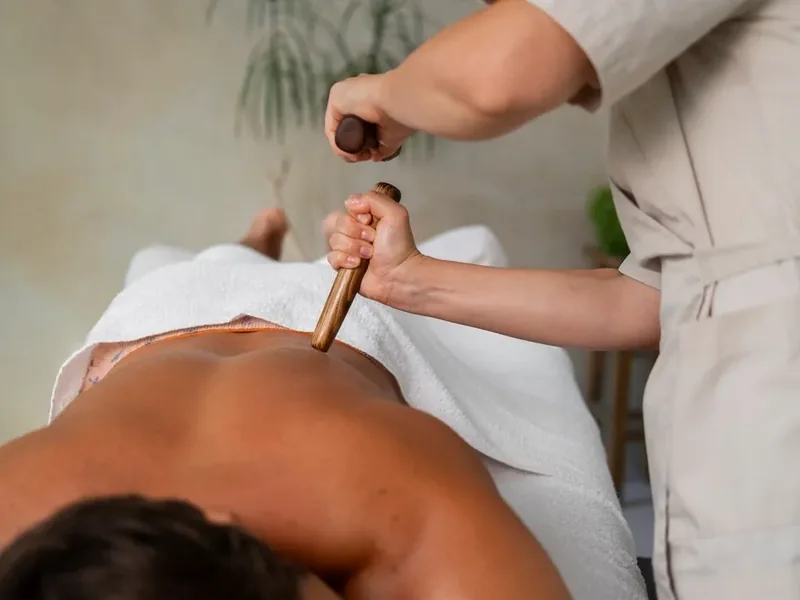
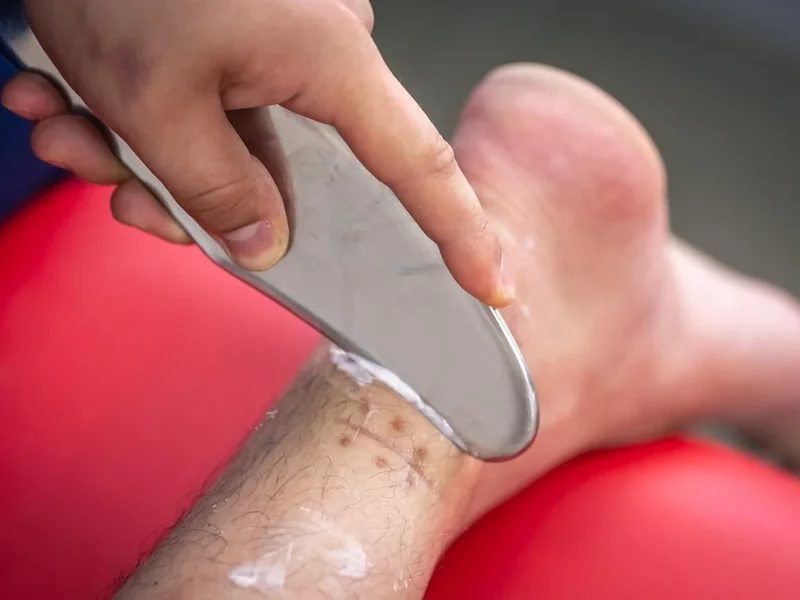
ASTYM is a specific treatment protocol that uses instruments along the surface of the skin to stimulate the body to resorb degenerated soft tissue and regenerate healthy tissue in its place. That distinction is the whole point. Scar tissue and degenerated tendon do not need to be rubbed away. They need a signal that restarts a repair process the body abandoned, and the ASTYM protocol is built to deliver that signal. Your therapist works along the full length of the involved tendon, ligament or muscle, following a mapped pattern rather than a general rub, and then pairs that work with stretching and loading in the same visit so the new tissue lays down in the direction you actually use it. This is why ASTYM is never a passive treatment. The instrument work opens the window. The movement that follows decides how the tissue rebuilds. At Fittees the protocol is delivered inside a 45 to 60 minute session, one on one, by Dr. Tochi Egbuzie, PT, DPT, FAAOMPT, who holds an AAOMPT fellowship in orthopedic manual physical therapy. She evaluates first, confirms your tissue is a fit, then treats. You do not need a doctor's note to begin, because Texas is a direct access state.

ASTYM tends to be chosen when a problem has turned chronic: the tendon that quiets down with rest and flares within a week of going back to normal. Most patients feel a change after the first session, and typical plans run two to three visits a week for four to six weeks. Fittees is in-network with Blue Cross Blue Shield, UnitedHealthcare, Cigna and Medicare, and for other insurance we provide a detailed superbill so you can file for out-of-network reimbursement.
02Who It's For

Who it's for.

ASTYM is for tissue that has stopped healing on its own. If your problem is a tendon that flares every time load comes back, or range that is blocked by old scar tissue, an evaluation is worth your time.

01

The tendon that never fully settled

Tennis elbow, Achilles pain, plantar fascia pain, a patellar tendon that aches on stairs. You rested it, it calmed down, and it came back the first week you went back to training or back to work. Degenerated tendon does not respond to rest alone. ASTYM gives the tissue a reason to remodel, and the loading that follows gives it a shape to remodel into.

02

Scar tissue that blocks your range

After a surgery, a tear or a deep strain, the body lays down repair tissue in whatever direction it can. That tissue often binds layers that are meant to glide past each other, so the joint feels blocked rather than sore. ASTYM works along the restricted line, then movement in the same session encourages the tissue to reorganize in the direction you need.

03

Progress that has flat-lined

You have done the stretches, the rolling and a round of therapy somewhere else, and you are stuck at the same point you were a month ago. When a plateau is a tissue quality problem rather than a strength problem, more of the same work will not shift it. The evaluation sorts out which one you are dealing with before an instrument touches your skin.

03What To Expect

What to expect in a session.

ASTYM is a protocol, not a technique applied at random. Here is the order a session runs in, from the moment you sit down.

01

Evaluate and map the tissue

Dr. Egbuzie tests the movement that hurts, then works along the tendon or fascia involved to find exactly where the tissue is degenerated or bound. She explains what she found and why the protocol fits your case. If your tissue is not a fit for ASTYM, she will say so and treat you a different way.

02

Instrument work along the line

The instruments travel the length of the involved tissue in a set pattern, with an emollient on the skin. You will feel a gritty drag over the affected sections and a smooth glide over healthy tissue. It is uncomfortable in spots and should never be sharp. Say the word and the pressure changes.

03

Stretch and load immediately

What follows the instruments is the half that decides your result. You stretch the treated tissue right away, then load it through the range your sport or your job demands. You leave with a short home program and clear instruction to keep using the area rather than protecting it.

Aftercare and who should tell us first

Mild soreness or a lightly bruised feeling in the treated area for a day or two is normal, and it usually eases with movement rather than rest. Staying active between visits is part of the protocol, not optional. Tell Dr. Egbuzie before treatment if you take blood thinners, bruise easily, are pregnant, or have an unhealed wound, an active rash or skin infection, or reduced sensation over the area. ASTYM is never applied over broken skin, and the plan is adjusted or postponed when any of these apply.

In Their Words
Degenerated tissue does not need to be broken down. It needs a signal to rebuild, and then a reason to rebuild in the direction you actually use.
Fittees Physical Therapy and Wellness
Explore More

Where to go next.

Request an Appointment

Ready when you are.

HoursMonday - Saturday
Walk-insCall ahead
Book your evaluation. Same-week appointments available.
Step 1 of 5
First things first. What's your name?
We'll need a name to book you in.
Best number to reach you?
A phone number lets us confirm same-day.
And your email?
We'll send your confirmation here.
What questions do you have about your pain or injury?
A few words is all we need.
Look right? Send it.
✓
Request received.

We'll call within business hours to lock in your time.

Schedule Appointment