Fittees Physical Therapy and Wellness

Dizziness & Vertigo Treatment in Sachse

Rolling over in bed sets the room spinning, so you have started sleeping propped up, moving your head like it is made of glass, and cancelling things you used to say yes to.

01What Causes It

What causes dizziness and vertigo?

Dizziness is a description, not a diagnosis, and the word covers several very different problems. True vertigo, the sensation that the room is turning, usually points at the inner ear. Lightheadedness, floating and visual fog usually point somewhere else: the neck, the migraine system, blood pressure, or a brain still recovering from a concussion. Each has a different test and a different treatment, and picking the wrong one wastes weeks. Dr. Egbuzie holds certifications in vestibular rehabilitation and concussion management, and the first visit is built around telling them apart.

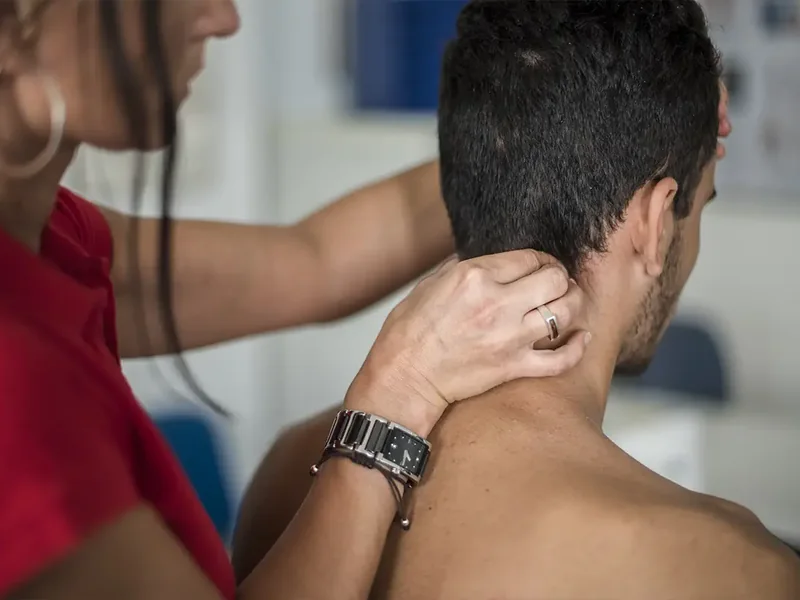
Doctor of Physical Therapy performing vestibular testing on a patient with vertigo

Small calcium crystals normally sit in one chamber of the inner ear. When they break loose and drift into one of the balance canals, every head movement sloshes them through fluid that should be still, and your brain reads that as violent spinning. It is brief, it is intense, and it is triggered by position: rolling over, lying back, looking up. It is also the most satisfying dizziness there is to treat, because a repositioning maneuver aimed at the correct canal can settle it quickly.

A virus inflames the nerve carrying signals from the inner ear, and the vertigo arrives suddenly and severely, lasting days rather than seconds. The acute phase settles on its own, but the compensation your brain builds while it does is what determines how you feel long afterward. Left alone, plenty of people end up permanently unsteady in busy visual environments like supermarkets. Guided vestibular retraining during the recovery window is what stops that from happening.

The joints and muscles of the upper neck send the brain a constant stream of head position data, and it has to agree with what the inner ear and the eyes report. When the neck is stiff, irritated or guarded after a whiplash injury, that stream becomes unreliable. The result is a foggy, off-balance feeling tied to head turning and to sustained postures, often alongside headache. Treating the neck resolves the dizziness, because the neck was the cause.

Migraine does not always mean headache. For some people the attack shows up as dizziness, motion sensitivity, and an intolerance of supermarket aisles, scrolling screens and patterned floors. The vestibular system is not damaged so much as turned up too loud. Managing triggers alongside your physician, then rebuilding tolerance through graded exposure to the movement and visual load that provoke it, is what turns the volume back down.

A head impact can disrupt the inner ear, the neck, and the way the eyes and vestibular system coordinate, often all at once. That is why post-concussion dizziness is stubborn: there are usually several problems layered together, and resting in a dark room addresses none of them. Structured therapy separates the layers and reintroduces the provoking movements at a dose your brain can adapt to instead of one it recoils from.
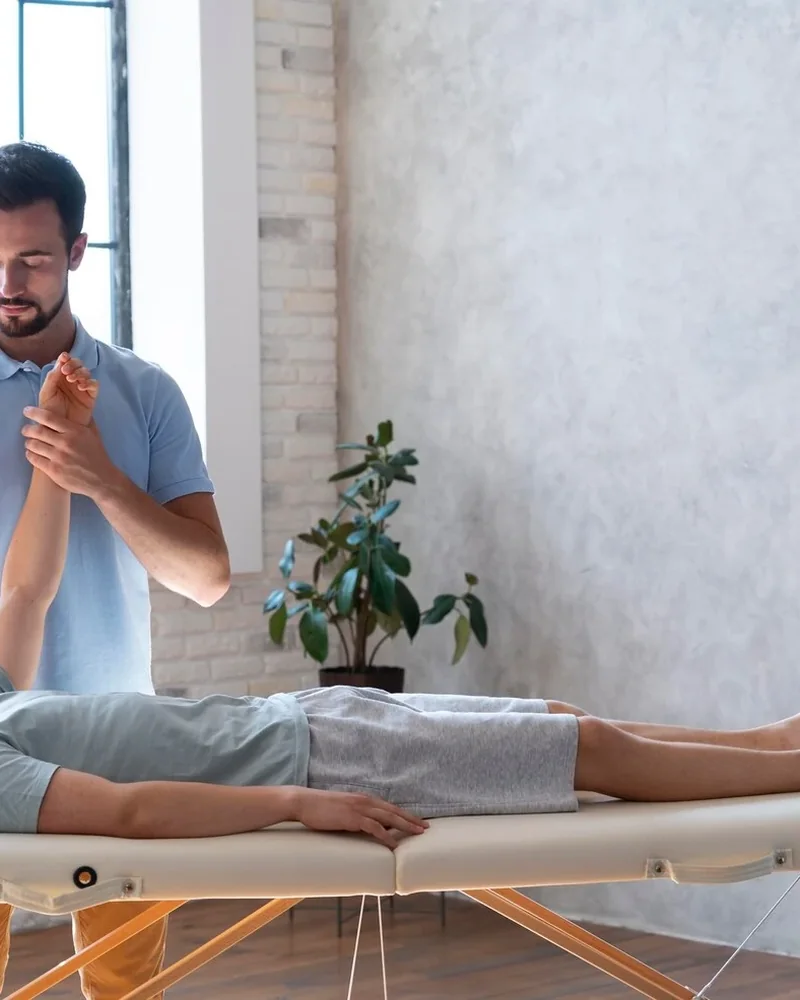

Doctor of Physical Therapy guiding a patient through gaze stabilization exercises
02How PT Helps

How physical therapy in Sachse helps.

Vestibular therapy only works when it is pointed at the right target, so the first visit is mostly testing. We watch your eyes for the specific patterns that identify a canal, we test how your gaze holds when your head moves, we screen the neck, and we reproduce your symptoms deliberately so we know what we are treating. If it is BPPV, a repositioning maneuver aimed at the affected canal is the treatment, and relief can be immediate. If the inner ear is under-reporting on one side, we retrain your brain to recalibrate with progressive gaze stabilization and balance work. If it is coming from the neck, we treat the neck. The exercises are supposed to provoke mild symptoms, because controlled provocation is the signal the brain adapts to. Comfort is not the goal in the room. Adaptation is.

Getting to that answer quickly is what saves you months, and you do not need a referral to get there. Texas is a direct access state, so you can book an evaluation this week. Fittees is in-network with Blue Cross Blue Shield, UnitedHealthcare, Cigna and Medicare, and for other insurance we provide a detailed superbill so you can file for out-of-network reimbursement. Every visit is 45 to 60 minutes one on one with Dr. Egbuzie, which is what testing like this actually requires.

03What To Expect

What to expect from your recovery.

01

Testing until the cause has a name

The first visit is a systematic examination: eye movement testing, positional testing for each canal, gaze stability, balance, and a neck screen. You leave knowing which system is misfiring and what the treatment for it is. Most patients feel a meaningful change inside the first two or three visits, and you get an honest timeline in writing.

02

Treatment aimed at that cause

Repositioning maneuvers for BPPV, graded gaze and habituation work for a vestibular loss, hands-on care for a neck-driven problem. Sessions are meant to provoke your symptoms mildly and then let them settle, which is how the nervous system learns. Typical plans run two to three visits a week for four to six weeks.

03

Getting your head moving freely again

The last thing to go is the caution. You have been turning your whole body instead of your head, avoiding the top shelf and the busy aisle. We reintroduce those on purpose until they are unremarkable again, and you leave with a home program for the day a symptom comes back.

In Their Words
Dizziness is a symptom with several possible sources, and the treatment for one of them does nothing for the others. Testing first is not a formality. It is the entire treatment plan.
Fittees Physical Therapy and Wellness
Related Conditions

Pain rarely travels alone.

Request an Appointment

Ready when you are.

HoursMonday - Saturday
Walk-insCall ahead
Book your evaluation. Same-week appointments available.
Step 1 of 5
First things first. What's your name?
We'll need a name to book you in.
Best number to reach you?
A phone number lets us confirm same-day.
And your email?
We'll send your confirmation here.
What questions do you have about your dizziness?
A few words is all we need.
Look right? Send it.
✓
Request received.

We'll call within business hours to lock in your time.

Schedule Appointment