Getting there is the part that beat you last time: the drive, the parking, the childcare, the hour off work you could not spare.

Mobile physical therapy is the same doctor-level care, delivered where it is realistic for you to actually receive it. Because accessibility matters, Fittees offers four ways to be seen: in your home, at the clinic, at your gym, or by video consultation. You choose, and you can switch as your life or your recovery changes. That flexibility is not a convenience feature. It is a clinical one. Care that happens where you live and train reflects your real conditions instead of a treatment room's. In your home, Dr. Tochi Egbuzie sees the stairs you struggle with, the chair you sit in all day, the side of the bed you get out of, and the bathroom you have been worried about. Those details are invisible in a clinic and they are frequently the whole problem. At your gym, she sees the bar, the load and the machine you were using when it started, and she can correct it under the exact weight that caused it. Video consultation covers the parts of care that are conversation and coaching: reviewing your program, progressing your loading, checking your form, and answering the question that came up on Tuesday without you losing an afternoon to travel. Everything else stays the same wherever you are. One clinician, 45 to 60 minutes, one plan that belongs to you. You do not need a referral, because Texas is a direct access state.
Mobile care removes the thing that quietly ends most rehab. It is rarely the exercises that people abandon. It is the commute, the parking, the childcare and the half day off work. When the visit happens in your living room or at the gym you were already driving to, the plan gets finished, and a finished plan is what changes how you feel six months from now.
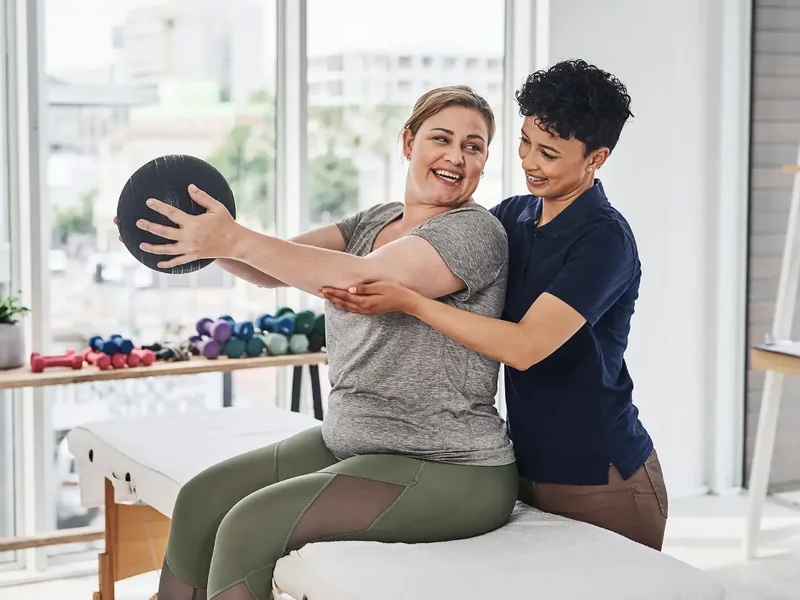
Mobile care is not only for people who cannot travel. It is for anyone whose recovery works better somewhere other than a treatment room.
You are recovering from surgery, you are not driving yet, or sitting in a car is the worst part of your day. Maybe you are caring for someone who cannot be left alone. The care was never the hard part. The logistics were, and that is exactly how people end up stopping rehab three visits in. An in-home visit removes the whole obstacle.
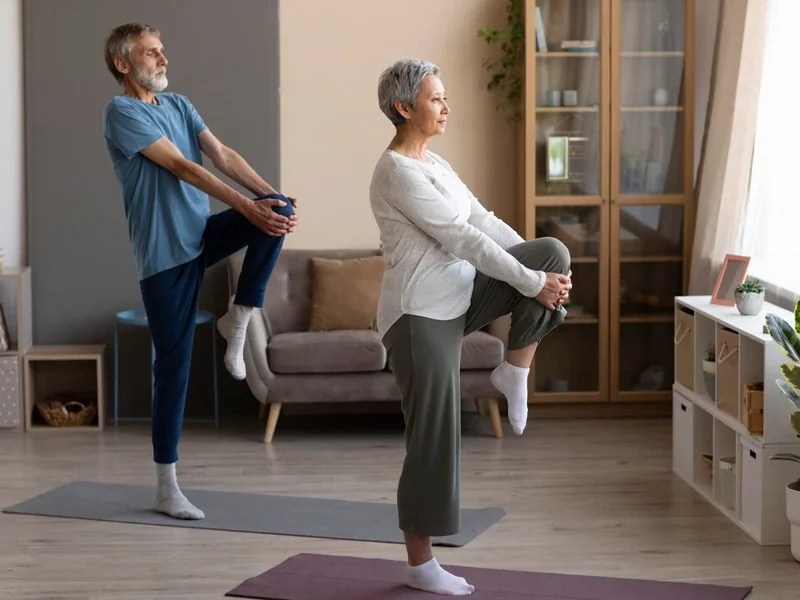
Balance, falls, stairs, getting up off a low sofa, managing a bathroom safely. Assessing any of that in a clinic is educated guesswork. In your own home Dr. Egbuzie works with your actual stairs, your actual furniture and your actual walking route, and the changes she recommends fit your house instead of a generic one.
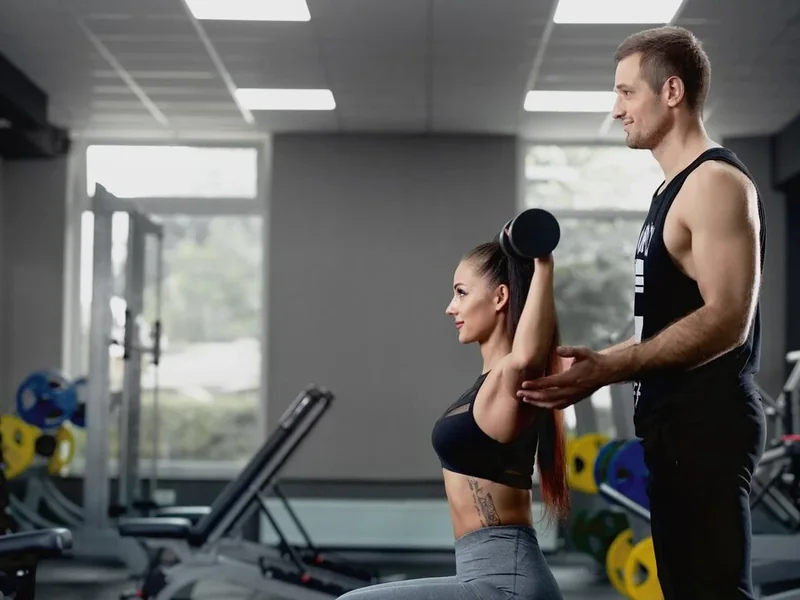
Your back only complains under a loaded bar. Your shoulder only objects on the third set of presses. That is not something you can reproduce on a treatment table. At your gym she can watch the lift, adjust the setup and the load, and rebuild the pattern using the equipment you will be back on next week.
The setting changes. The standard does not. Most patients feel a meaningful change inside the first two or three visits, and a typical plan runs two to three visits a week for four to six weeks in whichever setting suits you.
You tell us where you want to be seen when you book. An in-home visit needs a clear space about the size of a yoga mat and one sturdy chair. A gym session needs nothing, because the equipment is already there. A video consultation needs a propped up phone and room to move. Nothing else is required of you.
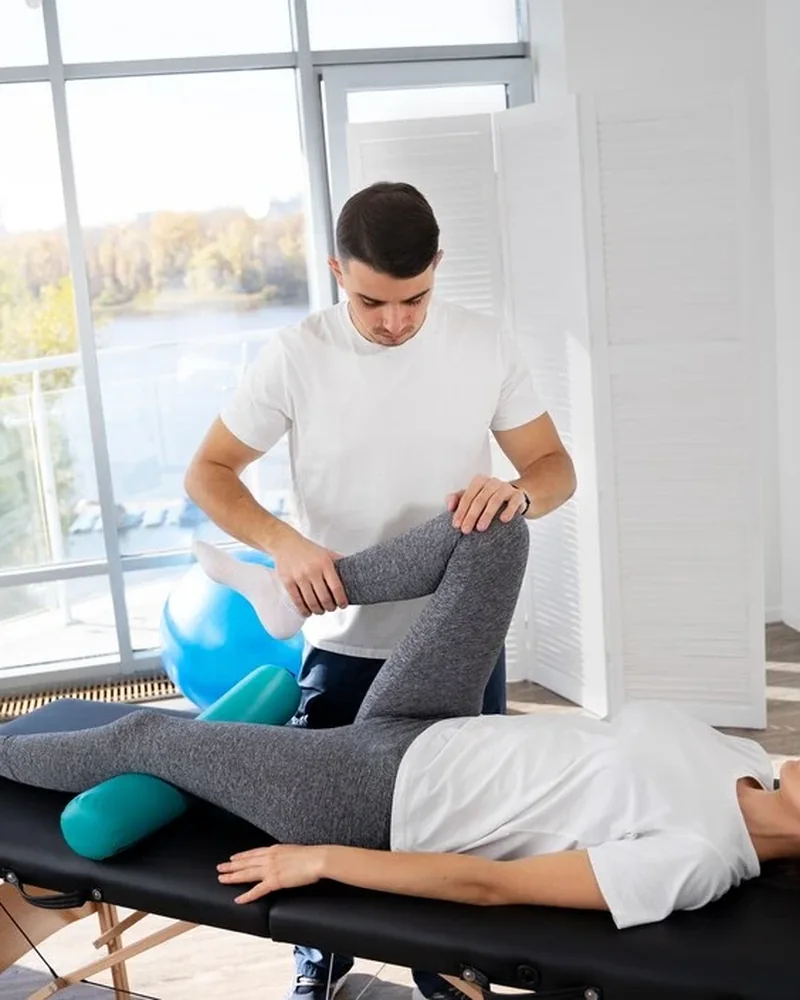
The evaluation is the same one you would get in the clinic: history, movement testing, and hands-on examination. What changes is what surrounds it. Your stairs, your desk, your bed height and your barbell all become part of the assessment when the session happens in the place you actually use them.
Hands-on treatment, range work and loading follow straight away, and the home program gets built from what is in front of you. Your doorway, your step, your dumbbells. There is nothing to translate later, because the exercises were prescribed in the exact place you will be doing them.
In-home and gym visits are scheduled by area and availability, so ask when you book and we will tell you honestly what we can cover. Video consultation suits program reviews, progressions and coaching, and it does not replace a hands-on evaluation when one is needed. Fittees is in-network with Blue Cross Blue Shield, UnitedHealthcare, Cigna and Medicare. For other insurance, we give you a detailed superbill to submit to your insurer for out-of-network reimbursement.
Care you cannot get to is care you do not get. We offer four ways to be seen so the plan gets finished, not so the clinic sounds modern.

One-on-one, movement-first care that treats the true cause of your pain and gets you moving again.

The bridge between finishing rehab and getting strong. Programmed by a doctor of physical therapy.

Staying independent is a strength and balance problem. Both respond to training at any age.