You have rested it, iced it and waited it out, and it is still there every time you stand up.

Physical therapy is the applied science of getting a body to move well again. It is not a massage, not a stack of handouts, and not fifteen minutes on a heat pack while somebody counts your reps from across the room. It starts with an evaluation. A Doctor of Physical Therapy watches how you move, tests what you can and cannot tolerate, and finds the tissue or the pattern that is actually producing your symptoms. Pain is the signal. The driver is often somewhere else, and it usually has a name. From there the plan follows four phases, in order. Pain: calm the tissue down with hands-on care and targeted movement. Prime: restore the range and correct the pattern that caused the problem in the first place. Perform: rebuild strength and function for your sport, your job, your life. Prevent: leave with the program and the education that keep you out of a clinic. You do not need a doctor's note to begin any of it, because Texas is a direct access state and you can book an evaluation yourself.
Every session runs 45 to 60 minutes with Dr. Egbuzie, one on one, start to finish. Nothing is handed off to an aide, and nothing gets lost between visits. Fittees is in-network with Blue Cross Blue Shield, UnitedHealthcare, Cigna and Medicare, and for other insurance we provide a detailed superbill so you can file for out-of-network reimbursement. Most patients feel relief after their first session, and a typical plan runs two to three visits a week for four to six weeks.

Physical therapy is not only for the seriously injured. If pain, stiffness, or a limitation you have quietly worked around is shaping your week, an evaluation is worth the hour. These are the people who come in.
You rolled the ankle or tweaked the back months ago. It healed enough to stop being an emergency and then stopped healing at all. Now it aches on stairs, complains in the morning, and flares every time you push. An evaluation finds the part that is still not doing its job, and the plan trains that specific thing back to full duty.
You have rested it, stretched it and taken time off, and it returns the moment you do the thing you actually want to do. That is not a discipline problem. It is usually a load problem: a joint or a muscle being asked for more than it can currently produce. Load is something we can measure, and something we can change.
You have a date on the calendar, or a report with a word on it that frightened you. Either way you want to arrive strong and leave with a plan rather than a printout. We build range and strength before the procedure where that is possible, then rebuild afterward at a pace your tissue will actually accept.
No conveyor belt, no split attention, no visit that feels like a formality. Here is how an appointment runs from the moment you walk in.
You arrive in clothes you can move in. We start with what has happened since the last visit: what eased, what flared, what you managed to do again. Then we retest the one or two things we are tracking. The day's plan comes from those findings, not from a script written a month ago.
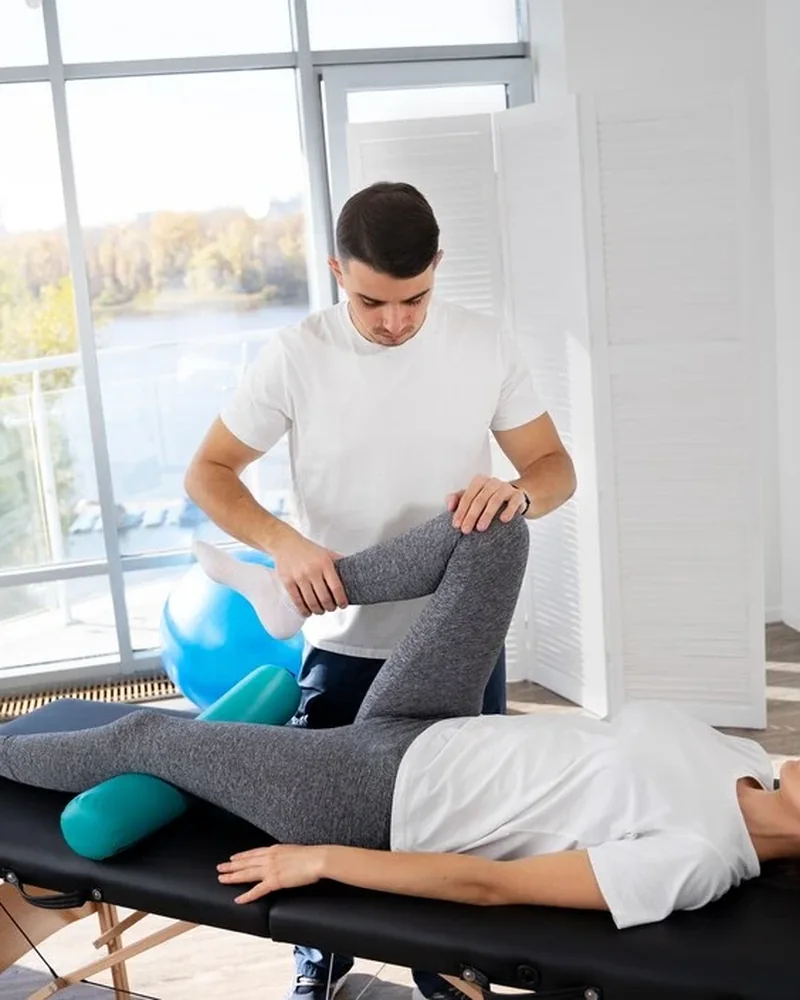
The middle of the session is skilled, direct care from your therapist. Manual therapy to the joint or tissue that is restricted, guided movement while it is open, and targeted techniques chosen for what the retest showed. You get the reason behind each one, because a plan you understand is a plan you can carry out at home.
Then you do the work that makes it stick: the reps, under load, with someone watching the quality of each one. You leave with a short home program rather than a packet. Two or three well chosen exercises done consistently between visits will move you further than a dozen you abandon by Thursday.
Wear clothes you can move and stretch in, and bring the details of anything you have already tried, including imaging reports if you have them. You do not need a physician referral in Texas. Bring your questions about cost too, because you get the number before you commit to a plan, not after it.
Pain is the signal, not the problem. We spend the hour finding what is actually producing it, then we train that thing until it can hold.

Skilled hands-on joint and soft tissue work that gives you the range you then learn to own.

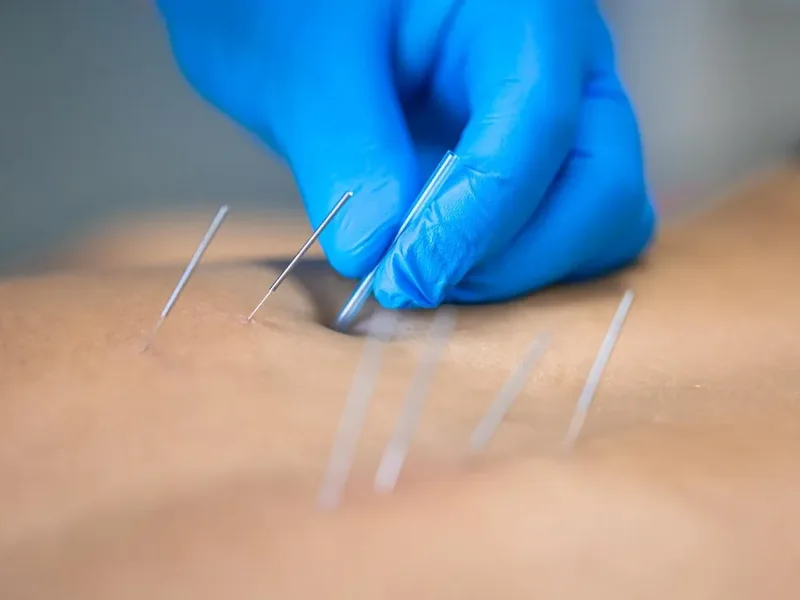
A thin filament needle into the trigger point that keeps resetting your pain. Fast, precise, drug free.

Back pain and nerve pain down the leg respond to loading, not rest. We find the driver and train it.