The knot between your shoulder blades is back three days after every massage, because nothing has changed the load that put it there.

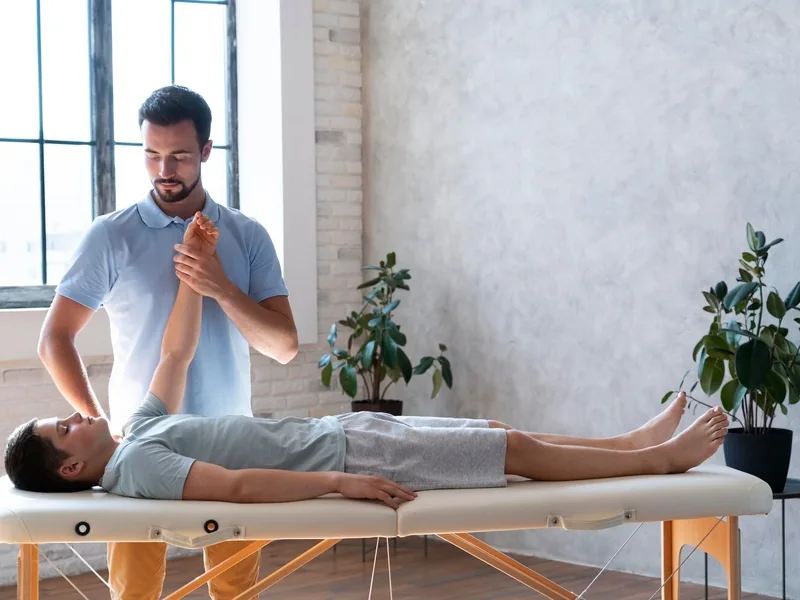
Massage therapy at Fittees is clinical soft tissue treatment, not a spa hour. It uses direct, graded pressure across muscle, tendon and fascia to bring tone down, restore glide between tissue layers, and turn off the protective response that is holding an area tight. The techniques will feel familiar: broad strokes and kneading to warm and calm tissue, deeper cross fiber work on a specific tendon or trigger point, and sustained holds where fascia has stopped sliding. What is different is why each one gets chosen. Dr. Tochi Egbuzie, a Doctor of Physical Therapy, treats soft tissue work as one input inside a movement plan. Before hands go anywhere, your movement is assessed, because a tight muscle is almost always a symptom rather than a cause. Muscles guard when a joint is unstable, when a nerve is irritated, or when the same tissue keeps being asked to do a job it is not built for. Rubbing that muscle without changing its job is exactly why the relief keeps expiring. So massage here is aimed at a specific tissue for a specific reason, and it is followed by movement that gives the area a better option. It is also a good way to open a session, because calm tissue tolerates mobilization, range work and loading far better than tissue that is bracing. You do not need a referral to book, because Texas is a direct access state.
There is nothing wrong with wanting a session to feel good. Comfort matters, sleep matters, and a nervous system that has been on alert for months benefits from being turned down. The distinction is what happens after the table. Your 45 to 60 minutes with your DPT ends with something that changes the demand on that tissue, so the relief has a reason to stay.
Soft tissue work earns its place when muscle tone, adhesion or guarding is part of what is limiting you. These are the situations where it does the most.
Desk, steering wheel, phone. By Wednesday the upper traps and the base of your skull are one solid band, and a headache is usually riding along with it. Massage takes the edge off inside the session. What actually stops the cycle is changing what your neck is being asked to hold for eight hours a day, and you get both here.
You lift or you run consistently, and there is always one area beaten up enough to write off a workout. Calves, hip flexors, the same shoulder every time. Targeted soft tissue work restores tolerance quickly, and the loading plan that follows addresses the reason that tissue keeps taking the brunt of everything.
After a strain, a surgery or a long spell in a brace, the muscle around the area stays switched on long past the point of being useful. It is protective, and it is exhausting. Graded soft tissue work paired with movement teaches that area it is safe to let go, which is usually the step that unlocks the rest of the rehab.
Massage is folded into a physical therapy session rather than sold as a standalone hour. Most patients feel a meaningful change inside the first two or three visits, and a typical plan runs two to three visits a week for four to six weeks.
The session opens with movement testing and a short conversation about your week: what you did, what set it off, which position makes it worse. Dr. Egbuzie then works through the area by hand to separate what is genuinely tight from what is simply sore. That distinction changes where the hands go and how much pressure is useful.
Pressure builds gradually and stays in the range where you can breathe and stay relaxed. Deeper work is reserved for the structures that need it instead of applied everywhere. You are asked for feedback throughout, and the technique changes if a tissue is not responding. Pain is not the measure of whether it is working.
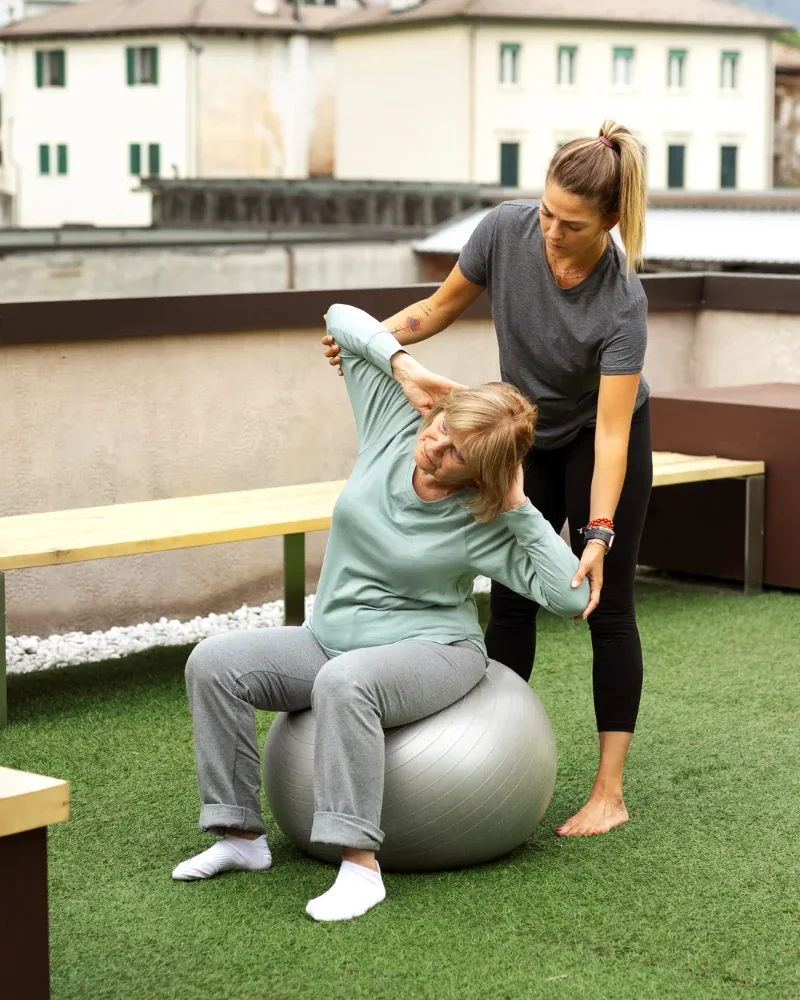
Once tone is down, you move. Range work, activation for the muscles that were not doing their share, and loading for the tissue that keeps getting overworked. This is the part that decides whether you are back in the same state next week. A short home routine goes with you so the change holds.
Wear or bring comfortable clothing you can move in, and expect range and strength work in the same visit rather than an hour spent face down. Mild soreness the next day is normal. Tell Dr. Egbuzie about blood thinners, a recent injury or surgery, skin conditions, or any area of numbness, because those change pressure and placement. Fittees is in-network with Blue Cross Blue Shield, UnitedHealthcare, Cigna and Medicare. For other insurance, we give you a detailed superbill you can submit for out-of-network reimbursement.
A muscle stays tight because something is asking it to. We treat the tissue to buy comfort, then change the demand so the comfort has a reason to last.

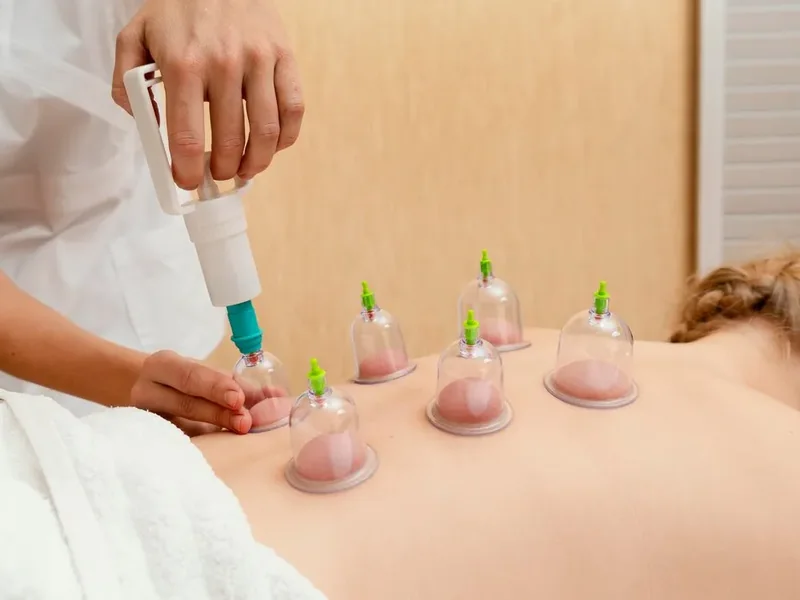
Decompression that lifts and separates tight fascia, restoring glide where tissue has stopped sliding.

Skilled hands-on joint and soft tissue work that gives you the range you then learn to own.

Back pain and nerve pain down the leg respond to loading, not rest. We find the driver and train it.