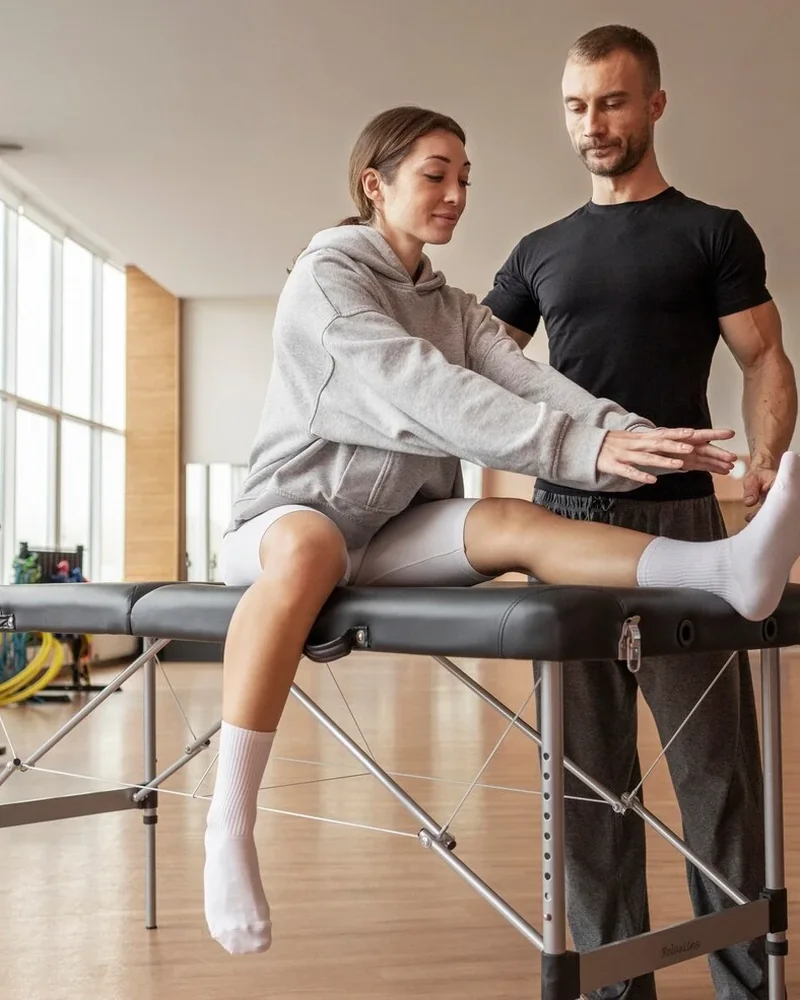
What causes balance and gait disorders?
Staying upright is a job several systems share. Your inner ear reports where your head is, your eyes report where the world is, and the nerves in your feet and legs report what the ground is doing. Your brain compares those reports and your muscles act on the verdict. Take away any one of those inputs, or the strength to act on them, and balance turns fragile. Gait changes follow: shorter steps, wider stance, eyes locked on the floor. Finding which part of that system stopped doing its job is the point of the evaluation.
The inner ear tells your brain which way your head is moving and which way is down. When part of that system is damaged or inflamed, the signal it sends no longer matches what your eyes and feet report, and the brain has to referee a disagreement it cannot settle. You feel that as unsteadiness, especially when you turn your head or move in the dark. Guided vestibular retraining teaches the brain to trust the reliable signals and downgrade the faulty one.
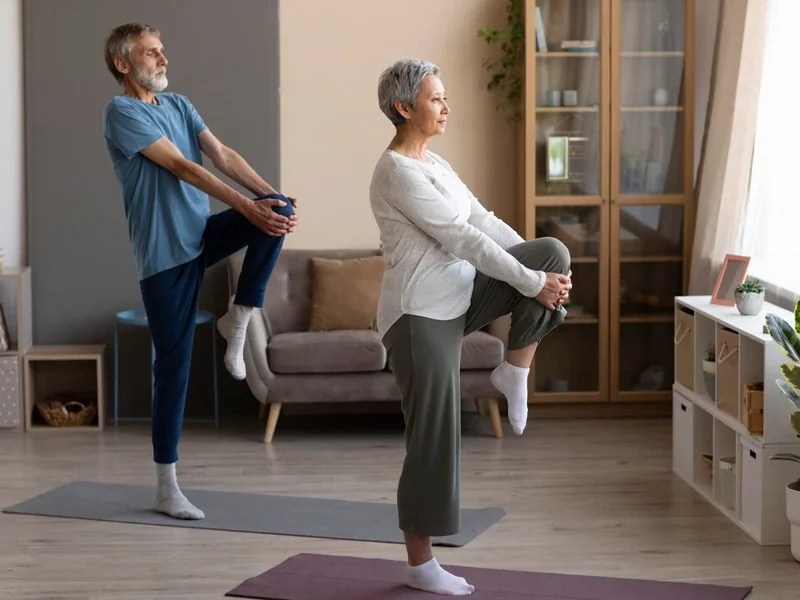
Balance is not only a sensing problem. Once the brain knows you are tipping, something has to physically stop it, and that job belongs to the quadriceps, the glutes and the muscles around the ankle. Strength fades slowly enough that most people never notice until a stumble goes unrecovered. Standing up from a chair without using your hands, and holding a single leg stance, are two of the honest tests. Both improve with loaded strength work at any age.
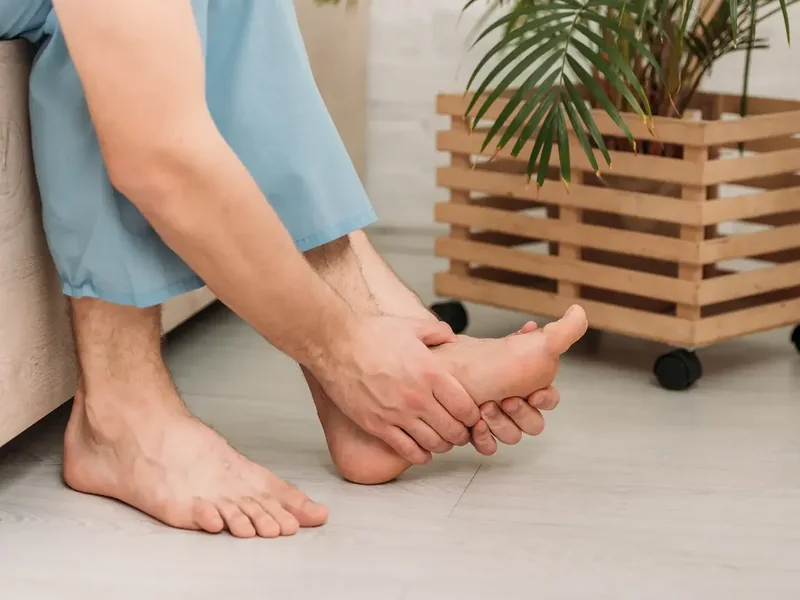
Your feet feed the brain a continuous report on the surface underneath you. Diabetes, chemotherapy, nerve compression and age can all mute that report. With the feet gone quiet you lean harder on vision, which is exactly why the bathroom at night and uneven grass outside feel so much worse than a lit hallway. Training the ankles and hips to respond faster, and practicing on varied surfaces, restores usable control even when sensation does not return.
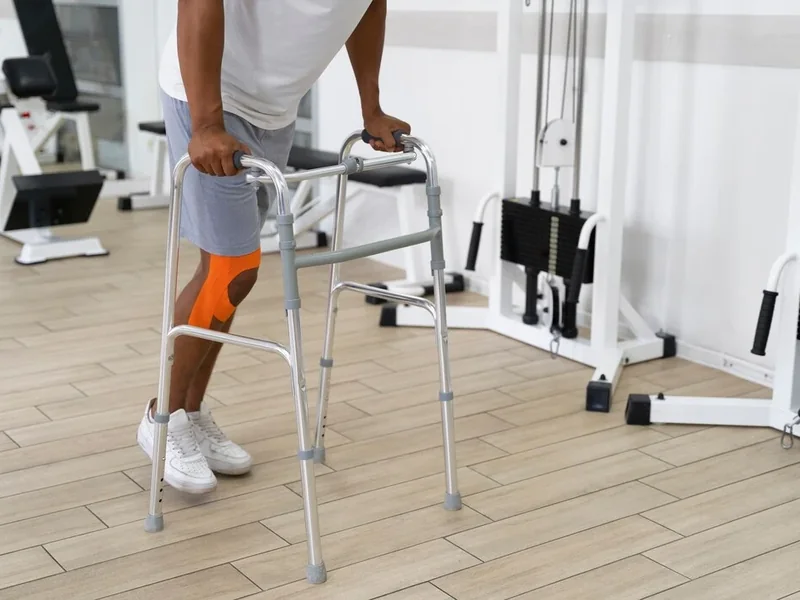
A stroke, Parkinson's disease or another neurological condition changes how the brain plans and executes walking. Steps get shorter, turns get hesitant, and one side stops contributing its share. The nervous system is still capable of learning, but it learns from specific, repeated, difficult practice rather than from general activity. That is what a gait retraining program is: the exact movement, drilled at the right level, until the pattern changes.
One fall rewrites how you move. You slow down, hold onto furniture, stop going out alone. Every one of those choices is reasonable, and every one of them removes the challenge your balance system needs to stay sharp. Before long the fear has produced the weakness that justifies it. Breaking that loop means graded exposure to the very situations you have been avoiding, done with support in place so the risk stays controlled.
Several common medications list dizziness or unsteadiness among their effects, and blood pressure that drops when you stand up produces the same result. Those belong with your physician, and we will tell you plainly when something needs their attention rather than ours. What we can do is build the margin back. Stronger legs, faster reactions and better strategies mean the same lightheaded moment no longer ends with you on the floor.