Fittees Physical Therapy and Wellness

Sports Rehab in Sachse

You have been cleared to play, and you still do not trust the leg at full speed.

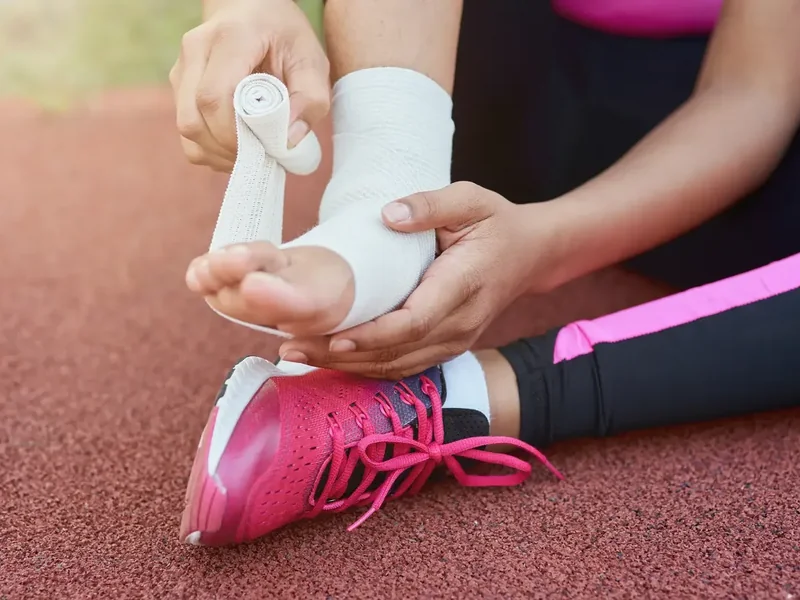
Athlete working through sport specific rehab with a Doctor of Physical Therapy
01What It Is

What is sports rehab?

Sports rehab is rehabilitation written around the demands of your sport instead of around a generic protocol. A goalkeeper's shoulder and a swimmer's shoulder fail in different positions, under different loads, at different points in a season, and a program that ignores that difference sends you back underprepared. It begins with the same evaluation any injury gets, then adds a second question: what does your position actually ask of your body, and where in that demand does it currently break down. From there the work moves through the four phases. Pain: settle the tissue so it stops dictating everything. Prime: restore range and correct the pattern that produced the injury. Perform: rebuild strength, then power, then the ability to produce both while tired and off balance, because that is when injuries happen. Prevent: leave with the program that keeps the gain. Being pain free at rest is not the standard here. Producing force at speed, on one leg, under fatigue, is the standard.

That is also why return to sport is a test you pass rather than a date you reach. Sessions run 45 to 60 minutes with Dr. Egbuzie, one on one, and you do not need a physician referral to start in Texas. Fittees is in-network with Blue Cross Blue Shield, UnitedHealthcare, Cigna and Medicare, with a detailed superbill available for other plans' reimbursement.
02Who It's For

Who it's for.

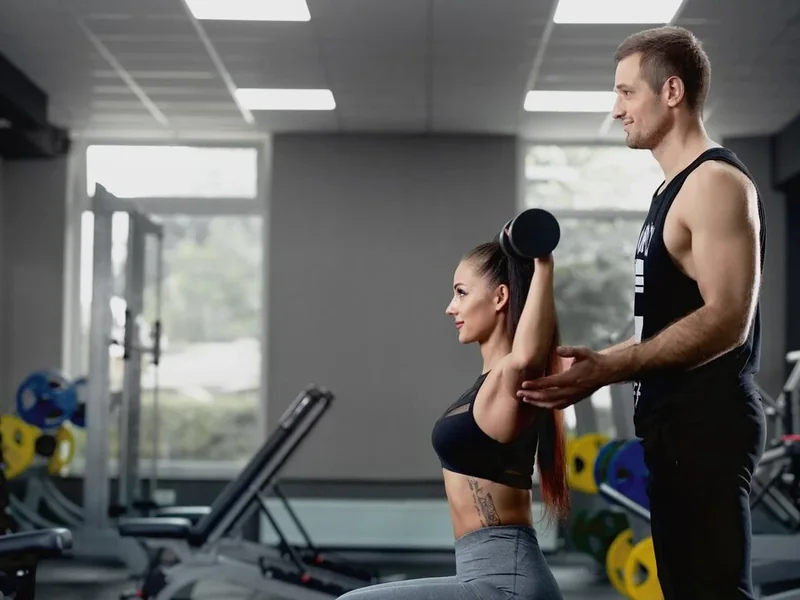
Sports rehab is for anyone whose sport matters enough that going back at half capacity is not a real option. That includes weekend athletes, not only competitive ones.

01

Cleared to play, not ready to play

The scan looks fine, the surgeon signed off, and the season is starting. But you have not cut on it at full speed yet, and you know it. That gap between medical clearance and athletic readiness is where reinjury lives. We close it by testing the exact movements your position demands before you go back to them.

02

The injury that keeps returning

Same hamstring, same point every season. Same shoulder, always in the third set. A recurring injury is rarely a healing failure. It is a capacity failure somewhere in the chain, often above or below the spot that actually hurts. We look at the whole system, find the link that gives out first, and train it until it stops being the weak one.

03

The in season problem you cannot rest through

You have games left and sitting out is not on the table. That changes the plan, not the standard. We manage load around your schedule, treat on the days that make sense, and build what can safely be built now, then use the off season for the rebuild the injury actually needs.

03What To Expect

What to expect in a session.

Sessions get harder on purpose. Each phase opens only once you have earned it in a test, and you will know exactly where you stand every visit.

01

Assessment and the demand list

You tell us your sport, your position, and the moments in a game where it hurts or feels unreliable. We test strength, range, and how you move under load, then write out the things your body has to do before you go back. Those become your milestones, in plain language, from the first visit.

02

Progressive strength and sport patterns

Early work restores range and basic strength, which is unglamorous and non negotiable. From there the drills start to look like your sport: cutting, decelerating, landing, throwing, changing direction on a call rather than a count. Load climbs deliberately. Hands-on work stays in the mix whenever tissue is limiting what you can train that day.

03

Testing, then clearance

Before you return you are tested: side to side strength, single leg power, control while fatigued, and the specific movement that injured you in the first place. Passing gives you something a signature cannot, which is evidence. You leave with a maintenance program for the season, because the strength you just built fades if nothing holds it.

Bring this to your first visit

Bring your competition schedule and, if you can, a short video of you playing your position. Watching the real movement tells us more than any description can. Bring anything you have already tried too, including imaging reports and previous rehab programs. Most patients feel relief after their first session, and a typical plan runs two to three visits a week for four to six weeks, which we map against your calendar at the evaluation so you can see the timeline before you commit.

In Their Words
Pain free at rest is where rehab starts. Producing force at speed, on one leg, tired, is where it ends.
Fittees Physical Therapy and Wellness
Explore More

Where to go next.

Request an Appointment

Ready when you are.

HoursMonday - Saturday
Walk-insCall ahead
Book your evaluation. Same-week appointments available.
Step 1 of 5
First things first. What's your name?
We'll need a name to book you in.
Best number to reach you?
A phone number lets us confirm same-day.
And your email?
We'll send your confirmation here.
What questions do you have about your pain or injury?
A few words is all we need.
Look right? Send it.
✓
Request received.

We'll call within business hours to lock in your time.

Schedule Appointment