Fittees Physical Therapy and Wellness

Cupping Therapy in Sachse

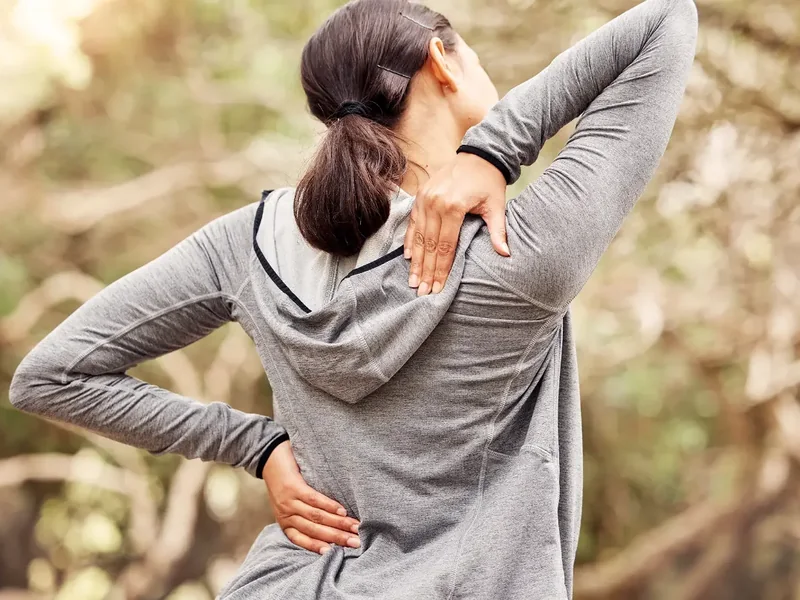
Someone has been digging into that spot for months, and the moment the pressure stops it feels exactly as stuck as before.

Cupping therapy in progress with suction cups placed along a patient's upper back
01What It Is

What is cupping therapy?

Cupping is a decompression technique. Cups are placed on the skin and a vacuum is drawn inside them, which lifts the skin and the soft tissue beneath it rather than pressing down on it. That reversal is the entire point. Almost every other form of soft tissue work compresses, from massage to instrument work to a forearm in your upper back. Cupping pulls the tissue apart instead. The suction separates layers that have become stuck to one another, decompresses the space between skin, fascia and muscle, and draws fresh blood into a region where circulation has gone sluggish. Cups can sit still over one stubborn spot or glide across a broader area once the skin is lubricated, and the suction can be dialled anywhere from very light to firm. The sensation is unusual but not sharp: a heavy, warm pull that most people find settles quickly. At Fittees, cupping sits inside a full 45 to 60 minute session with Dr. Tochi Egbuzie, PT, DPT, FAAOMPT, one on one. She uses it where decompression is genuinely the right answer, then follows it with the movement that makes the change hold.

On its own, cupping is a temporary change in how tissue feels. Paired with mobility work and loading in the same visit, it becomes range you keep. Most patients feel a change after the first session, and typical plans run two to three visits a week for four to six weeks. Fittees is in-network with Blue Cross Blue Shield, UnitedHealthcare, Cigna and Medicare, and for other insurance we provide a detailed superbill so you can file for out-of-network reimbursement. No referral is required to start, because Texas is a direct access state.
02Who It's For

Who it's for.

Cupping is for tissue that has stopped responding to being pressed on. If deep pressure has been tried on that area for months without lasting change, lifting it is a genuinely different input.

01

Desk and driving tension that keeps coming back

Upper traps, the strip between the shoulder blades, the base of the neck. You get relief from a massage and it is gone by the end of the week, because the tone changed and the tissue never did. Decompression addresses the stuck layers underneath, and the mobility work that follows gives your day something new to hold onto.

02

Broad tightness after hard training

Runners with locked calves and hamstrings, lifters whose lats and mid back feel like a board after a heavy block, anyone whose whole posterior chain has gone stiff. Gliding cups cover far more ground than fingertips can in the same time, which makes them a practical way to prepare a large, generally stiff region before we load it.

03

Areas too sensitive for deep pressure

Some tissue guards the instant you press into it, especially around an old injury or a region that has been treated aggressively somewhere else. Suction can be set very light and still create a real change, which gives us a way in when compression only makes things worse. The strength stays under your control throughout.

03What To Expect

What to expect in a session.

Cupping takes up only part of your visit, and what happens around it matters just as much. Here is the sequence.

01

Find the area and check your skin

Dr. Egbuzie tests the movement that bothers you, works through the region by hand, and checks the skin where the cups would sit. She explains what the suction will feel like and what marks to expect before anything is placed, so nothing during the session arrives as a surprise. You agree on the plan first.

02

Placement and suction

Cups go on and suction is drawn to a level you confirm is comfortable. They may stay put over one specific spot or glide across a broader area on lubricated skin. You will feel a heavy pull and a spreading warmth. Sharp or burning pain is not part of this, and the suction is released the second you say so.

03

Move the range you just opened

The cups come off and we go straight into movement while the tissue is decompressed: mobility through the range that was restricted, then loading so your nervous system files that range as usable. You leave with a short home program, because what you do between visits is what makes the change last.

Marks, soreness and who should tell us first

Circular marks are expected. They are not bruises from impact, they are the visible result of suction drawing blood toward the surface, and they usually fade within several days. Mild soreness or a heavy feeling in the area for a day or so is normal too. Tell Dr. Egbuzie before treatment if you take blood thinners, bruise easily, are pregnant, or have eczema, psoriasis, a rash, sunburn, an open wound or reduced sensation where we would be working. Cups are never placed on broken or inflamed skin, and suction strength is lowered for anyone with fragile skin.

In Their Words
Nearly every hands-on technique presses tissue down. Cupping is the one that lifts, which is exactly why it reaches what pressure has stopped reaching.
Fittees Physical Therapy and Wellness
Explore More

Where to go next.

Request an Appointment

Ready when you are.

HoursMonday - Saturday
Walk-insCall ahead
Book your evaluation. Same-week appointments available.
Step 1 of 5
First things first. What's your name?
We'll need a name to book you in.
Best number to reach you?
A phone number lets us confirm same-day.
And your email?
We'll send your confirmation here.
What questions do you have about your pain or injury?
A few words is all we need.
Look right? Send it.
✓
Request received.

We'll call within business hours to lock in your time.

Schedule Appointment