Fittees Physical Therapy and Wellness

Personal Training in Wylie

You were discharged from rehab, told you were cleared, and left with no real idea what your body is allowed to load.

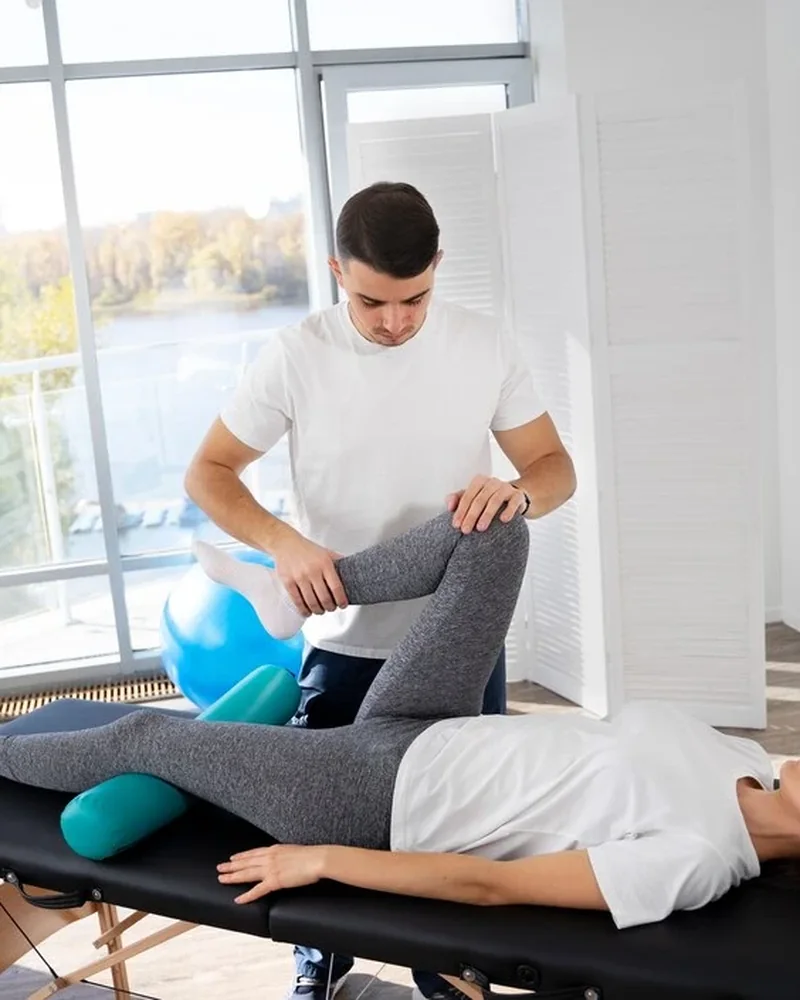
Doctor of Physical Therapy coaching a post-rehab strength session
01What It Is

What is personal training?

Personal training at Fittees is post-rehabilitation strength work, programmed and coached by a Doctor of Physical Therapy. It exists to fill the gap that ends most recoveries early. Formal rehab finishes when you stop hurting, and that is a long way short of being strong. Discharge means your symptoms are controlled and your basic function is back. It does not mean the tissue that failed has the capacity to handle your sport, your job, or an awkward landing on a curb. The distance between not hurting and being genuinely robust is where reinjury lives, and that is the space this service occupies. What separates it from a standard gym program is who wrote it and what they already know about you. Dr. Tochi Egbuzie has your history: which structure was injured, how it responded to treatment, where your range still falls short, and which movement pattern started the whole thing. That informs every exercise selection, every progression, and every session where the right answer is to back off. Load is prescribed the way treatment is prescribed, with a reason behind the weight and a plan for the next four to six weeks. The clinic is at 7340 S State Hwy 78 Unit 300, Sachse (inside Fitness Xpress), so full gym equipment is on hand. Fittees is a physical therapy practice, not a gym. What you are buying here is the programming and the coaching.

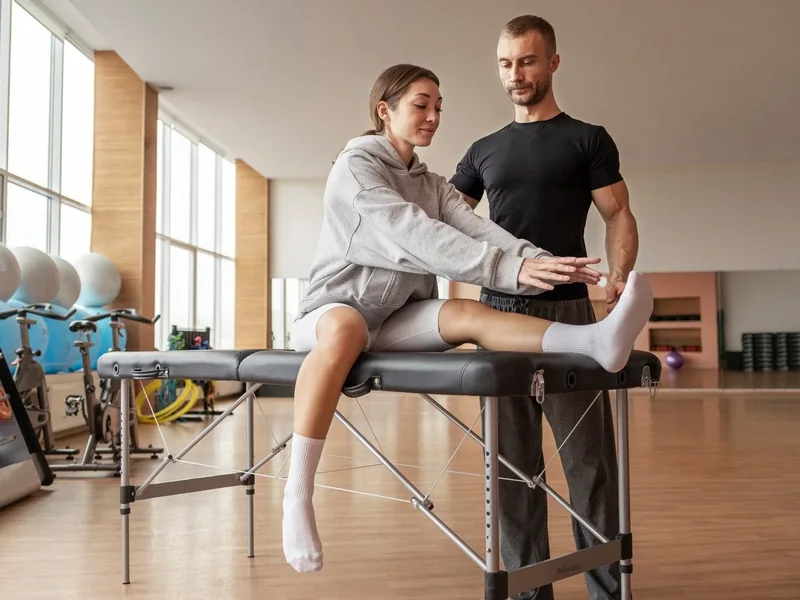
The sessions run in the same format as your rehab visits: 45 to 60 minutes, one on one, with your DPT and nobody else. No floor of shared attention, no template handed over on a clipboard. If a lift changes how your knee feels, that gets addressed inside the session rather than waiting for the next appointment. You never need a referral to start, because Texas is a direct access state.
02Who It's For

Who it's for.

This is for people who are past the acute problem and want to make sure it stays in the past. Three situations come up most often.

You finished rehab and then stalled

The pain is gone, you were cleared, and then the plan simply ran out. You are back at the gym guessing at weights, waiting for a twinge, and quietly steering around the movement that used to hurt. Avoidance keeps a joint weak. Programmed loading is what closes the gap between being discharged and trusting that leg again.

You want to lift, but your history says be careful

A repaired shoulder, an old disc episode, a knee that has been scoped. You want to squat, press and deadlift like everybody else, and you have been told vaguely to be careful. Careful is not a program. A DPT who knows the tissue can set the load, the range and the progression that let you train hard without gambling.

Life asks more than your body currently gives

Lifting a toddler, carrying feed, hauling gear up stairs, holding a golf swing together for eighteen holes. There is no diagnosis here, just a body that runs out before the day does. Strength is the most reliable form of prevention available to you, and it is trainable at any age from the right starting point.

03What To Expect

What to expect in a session.

Every block opens with testing, not with a workout. Sessions typically run two to three times a week across four to six weeks, and the program is rewritten from what the retest actually shows.

01

Test and set the baseline

The first session measures where you actually are: range, single leg control, tolerance to load, and the specific movement your injury history says to watch. The numbers get written down. Without a baseline, progression is guesswork, and the first sign that you pushed too far is a flare, which arrives far too late to be useful.

02

Train under coaching

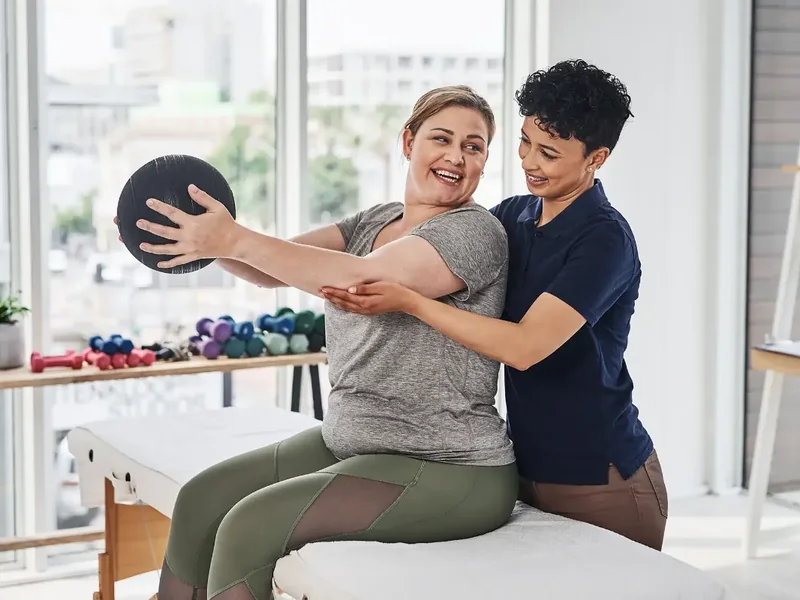
You work through a session built around compound strength, targeted accessory work for the area that failed, and the pattern you are trying to reclaim. Dr. Egbuzie coaches every set, cues position, and adjusts the weight in real time based on how the tissue is responding rather than on what the sheet says.

03

Progress, retest, repeat

Load climbs on a schedule you can tolerate, and the same tests get repeated so progress is a measurement instead of a feeling. Once the numbers hold, the program moves on to the next demand: speed, impact, change of direction, or whatever your sport and your job genuinely ask of you.

Good to know

Bring training shoes and clothes you can lift in. This service is built for people past the acute stage. If you are still in pain, an evaluation comes first and treatment leads, because loading tissue that is still irritated slows everything down. Tell Dr. Egbuzie about any surgical restrictions, cardiac history or blood pressure medication before you begin. Fittees is cash-based, so you know the cost before you book and you leave with a detailed superbill to submit for reimbursement.

In Their Words
Discharge is not the finish line. Strength is what keeps an old injury from becoming a recurring one, and strength has to be programmed.
Fittees Physical Therapy and Wellness
Explore More

Where to go next.

Request an Appointment

Ready when you are.

HoursMonday - Saturday
Walk-insCall ahead
Book your evaluation. Same-week appointments available.
Step 1 of 5
First things first. What's your name?
We'll need a name to book you in.
Best number to reach you?
A phone number lets us confirm same-day.
And your email?
We'll send your confirmation here.
What questions do you have about your pain or injury?
A few words is all we need.
Look right? Send it.
✓
Request received.

We'll call within business hours to lock in your time.

Book Now · Free Consult