Fittees Physical Therapy and Wellness

Manual Therapy in Wylie

Stiff first thing, stiff again by evening, and the stretches you were handed have never once reached the joint that is actually locked.

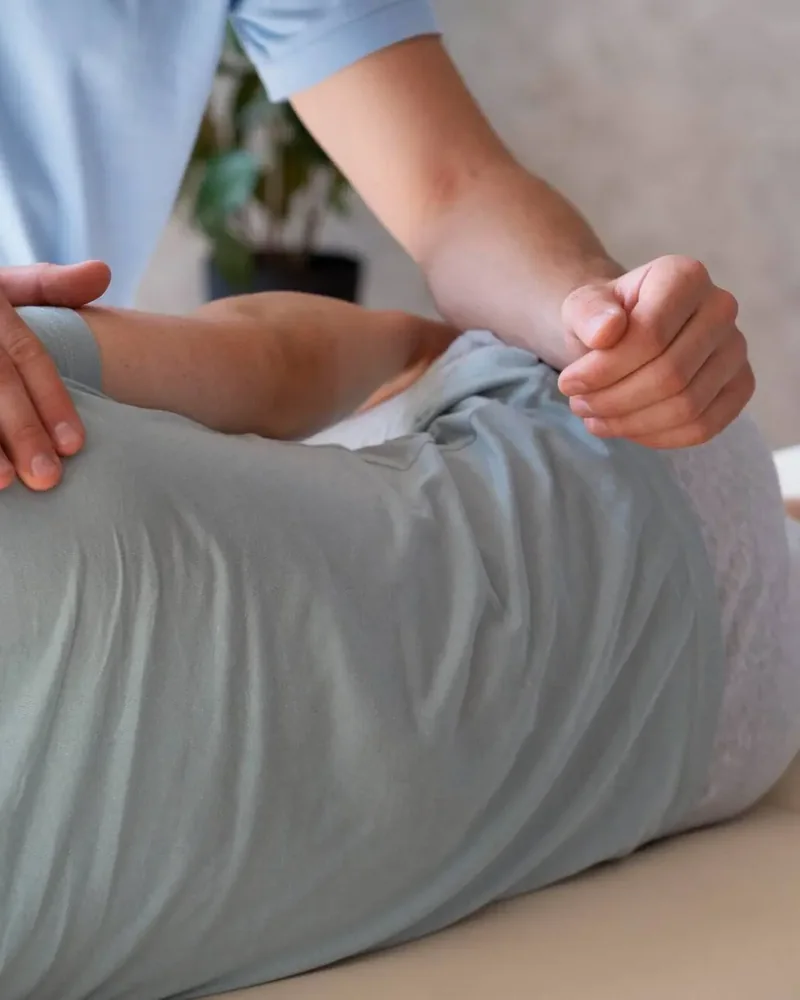
Fellowship trained Doctor of Physical Therapy performing hands-on manual therapy
01What It Is

What is manual therapy?

Manual therapy is skilled, hands-on treatment applied directly to your joints and soft tissue by a clinician trained to feel what is wrong. It covers joint mobilization, manipulation, soft tissue work, muscle energy technique and nerve mobilization. What makes it therapy rather than pressure is the examination underneath it. Trained hands can tell a joint that is genuinely stiff from a joint that is guarding, and protective muscle tone from habitual muscle tone, and those two things need opposite answers. Dr. Tochi Egbuzie holds a Fellowship in Orthopedic Manual Physical Therapy through the AAOMPT, the highest level of post-professional training in hands-on orthopedic physical therapy. That is the credential that matters most on this page. Fellowship training is what turns hands-on care from a general technique into a specific one: which segment, which direction, which grade of force, and when to stop. Manual therapy on its own is a window rather than a fix. It gives you range and it quiets the protective response, and then that window has to be used. Every hands-on treatment here is followed by movement that teaches your body to own the motion it just got back. You do not need a referral to begin. Texas is a direct access state, which means you can book an evaluation without seeing a physician first.

The other thing hands give you is information. Imaging shows structure at rest. A skilled examination shows how your tissue behaves under load, in real time, and it updates every single visit. That is why the plan changes as you change instead of running out a fixed number of sessions. You get 45 to 60 minutes with your DPT, not fifteen with an aide, and the assessment never stops for the whole of it.
02Who It's For

Who it's for.

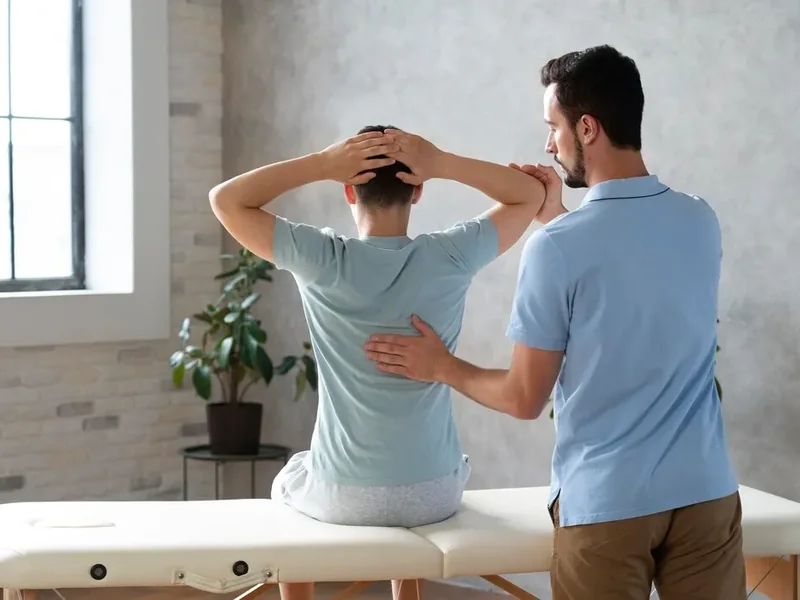
Manual therapy is for movement that is restricted, guarded or painful at end range. If a joint has stopped going where it used to go, a hands-on examination is the fastest way to learn why.

The joint that locked and stayed locked

A shoulder that will not reach the top shelf, a neck that turns one way and not the other, a hip that catches at the bottom of a squat. Nothing dramatic happened. It tightened and it stayed. A joint that loses motion recruits the segments above and below to cover for it, which is how one stiff joint quietly becomes three sore ones.

The back that flares without warning

You are fine for weeks, then bending to pick up a bag puts you on the floor. Between episodes you feel normal, so nothing ever gets addressed. Recurring back and neck pain usually involves one segment that moves too little and a neighbour that moves too much to compensate. Sorting out which is which takes hands, not a printed sheet of stretches.

The plateau after surgery or injury

You did the rehab, the swelling went down, and you got most of the way back. Then progress simply stopped. Scarred tissue, guarded muscle and a joint capsule that has tightened will hold a limit that strengthening alone does not move. Manual therapy is often what unsticks the plateau, and the strength work after it finally starts to take.

03What To Expect

What to expect in a session.

Hands-on work here is always attached to a reason and a plan. Most patients feel a meaningful change inside the first two or three visits, and a typical course runs two to three visits a week for four to six weeks.

01

Examine, then explain

Dr. Egbuzie watches you move, then tests joint by joint, comparing side to side and layer by layer, until the restriction is located rather than guessed at. You are told what she found and what she intends to do about it before she does it. Nothing here happens to you without you understanding the reason for it.

02

Treat the segment, not the sore spot

Depending on what the examination shows, treatment may be a graded joint mobilization, a manipulation, soft tissue work or a nerve glide. Pressure should register as firm and purposeful, never sharp. She checks in as she works, and the technique gets retested immediately so you both know whether it changed anything.

03

Own the new range

A joint that was just freed will drift straight back to its old position unless you use it. The rest of the session drills the new motion under control and then under load, so your nervous system accepts it as normal. You leave with a short home program built to hold the gain between visits.

Good to know

Wear clothing that lets Dr. Egbuzie reach the area being treated and lets you move freely. Mild soreness for a day after hands-on work is common and settles quickly. Tell her about osteoporosis, blood thinners, a recent fracture, or any dizziness that comes on with neck movement, because those change which techniques are appropriate. Fittees is a cash-based practice, so you know the cost before you book and you leave with a detailed superbill to submit to your insurer for reimbursement.

In Their Words
Hands are a diagnostic tool before they are a treatment. What we feel in the first two minutes decides everything we do in the next fifty.
Fittees Physical Therapy and Wellness
Explore More

Where to go next.

Request an Appointment

Ready when you are.

HoursMonday - Saturday
Walk-insCall ahead
Book your evaluation. Same-week appointments available.
Step 1 of 5
First things first. What's your name?
We'll need a name to book you in.
Best number to reach you?
A phone number lets us confirm same-day.
And your email?
We'll send your confirmation here.
What questions do you have about your pain or injury?
A few words is all we need.
Look right? Send it.
✓
Request received.

We'll call within business hours to lock in your time.

Book Now · Free Consult