What causes strength, balance and independence to slip?
Aging does not take your strength. Disuse does, and it is quiet about it. Muscle mass goes first, along with the fast fibers that catch you when you trip, and balance follows because balance is a strength skill before it is anything else. Add a knee that has hurt for years, a hip that stiffened after surgery, and a prescription that leaves you lightheaded when you stand, and the world starts to shrink one activity at a time. Almost every piece of that is trainable, at any age.
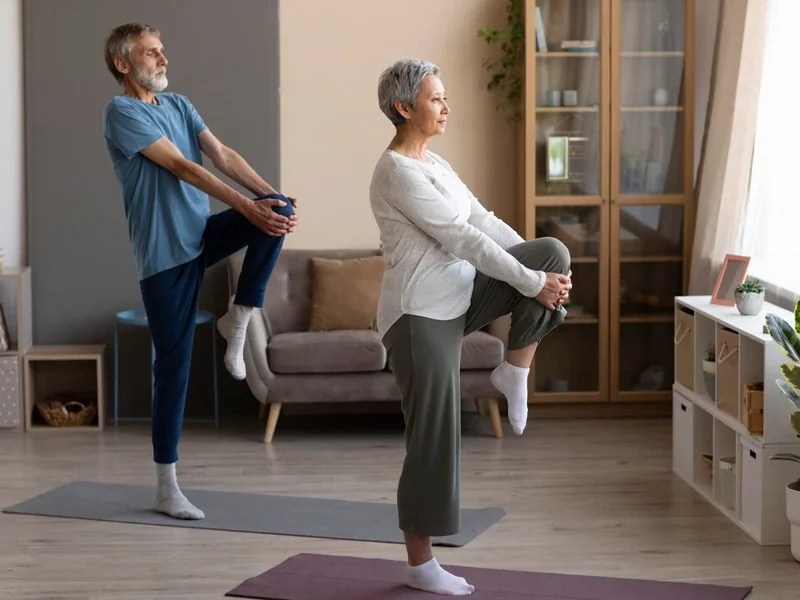
Muscle is a use it or lose it tissue, and the loss speeds up as we age unless something interrupts it. The fibers that generate quick, powerful force go first, which is exactly what you need to catch yourself stepping off a curb. Sitting more after an illness, a surgery or a hard winter accelerates it. Resistance training reverses it reliably in older adults, and you do not need heavy weights to start.
Balance is not one system. It is your inner ear, your vision and the position sense in your feet, hips and neck, all arguing until one of them wins. Any of the three can drift. Practice is what keeps that argument quick, and most people stop practicing the moment balance starts to feel risky, which is precisely when it needs practicing. Trained under supervision, in a setting where you cannot fall, it improves at any age.
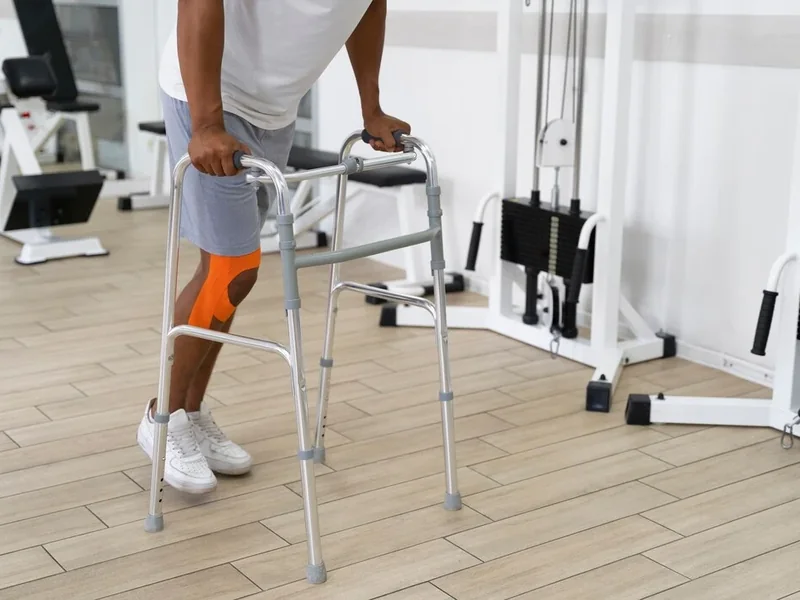
One fall changes how you move even when nothing broke. You shorten your stride, keep both feet on the ground longer, grip the rail, and stop going out when the weather turns. Every one of those adaptations reduces the input your balance system needs to stay sharp, so steadiness declines further. Confidence has to be rebuilt on purpose, with tasks hard enough to matter and safe enough to fail at.
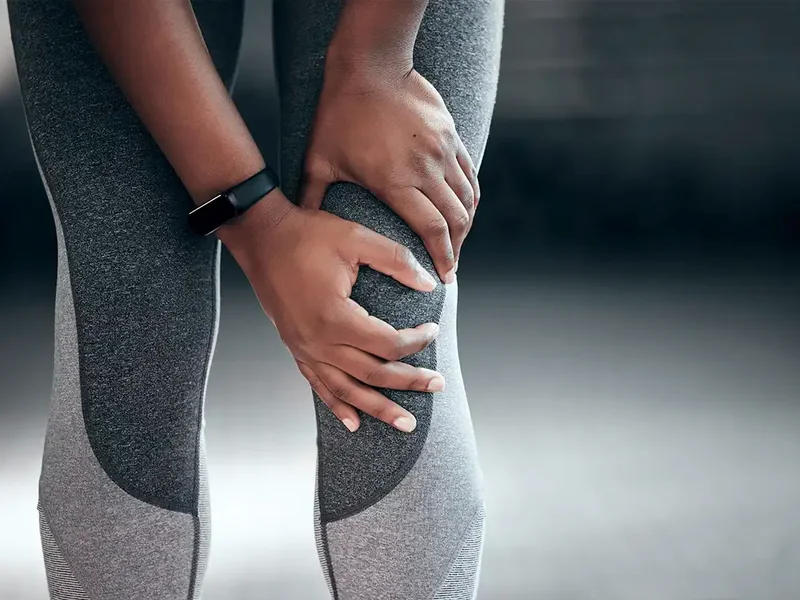
Sore knees, stiff hips and an old back make you avoid the positions that hurt. That avoidance is sensible in the moment and expensive over a year, because the muscles around the avoided range weaken and the joint becomes more sensitive, not less. Pain and weakness feed each other. We work inside what your joints tolerate today, then expand that range rather than designing around it forever.
A week in a hospital bed costs more strength than most people expect, and the recovery from it is not automatic. You come home able to manage the house but not the stairs, the garden or the grocery run, and that gap quietly becomes your new ceiling. Structured reconditioning closes it. Left alone, the ceiling drops again after the next illness, and each drop is harder to reverse.
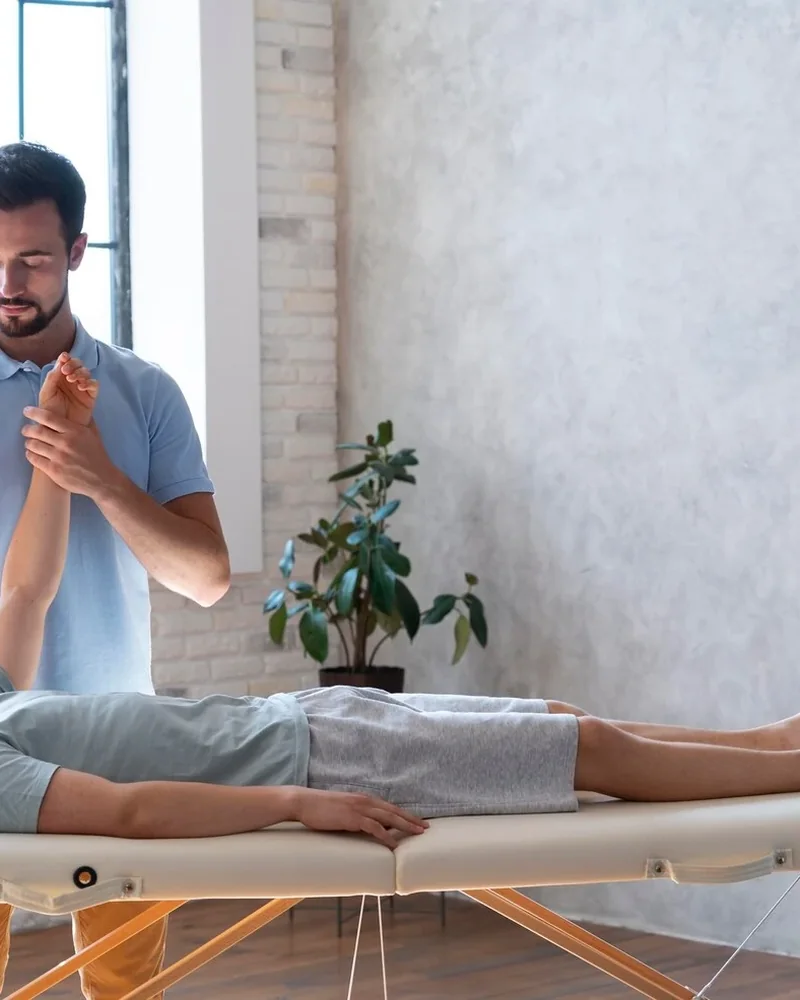
Lightheadedness on standing, a spinning sensation when you roll over in bed, and unsteadiness that arrived with a new prescription have different causes and different fixes. Inner ear conditions respond to specific repositioning treatment. Blood pressure changes on standing need a different approach entirely. Dr. Egbuzie is certified in vestibular rehabilitation, so the assessment separates these instead of filing them all under dizziness.