What brings people in before and after surgery?
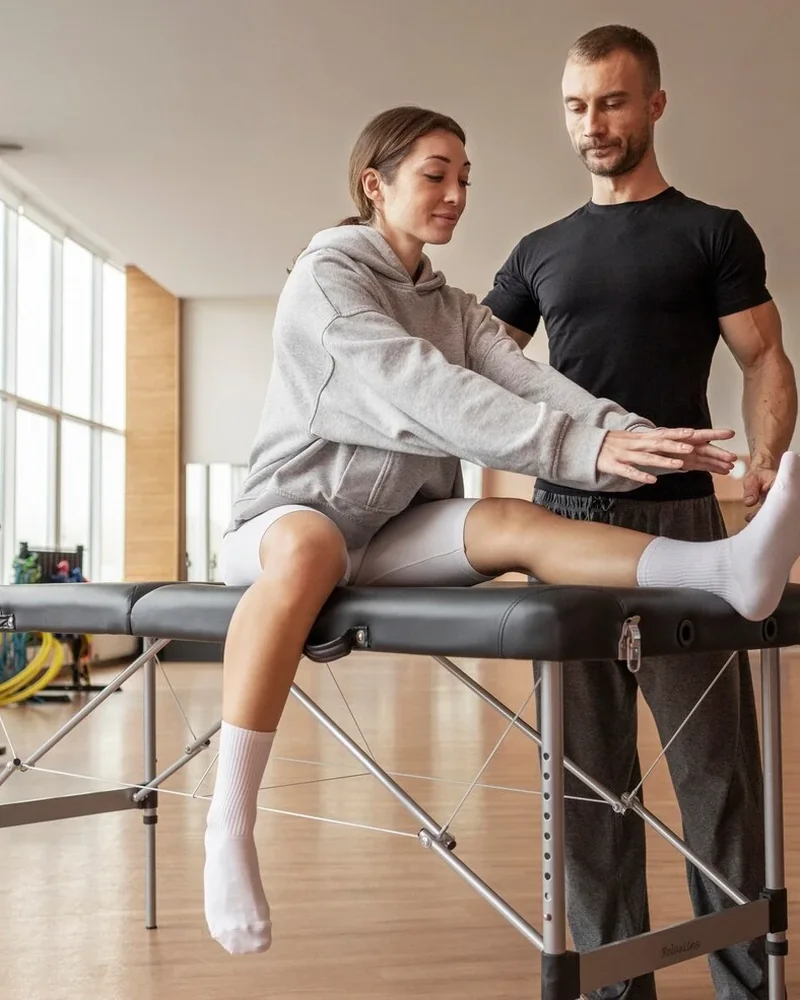
The weeks either side of an operation decide more than most people expect. Going in with a stronger, better moving limb shortens the climb on the other side. Coming out with a plan means the swelling, the stiffness and the protective limp get addressed while they are still easy to change. A surgeon repairs the structure. Nobody hands that structure back its strength, its range or its confidence. That part is rehabilitation, and it works best when it starts early and follows a schedule.
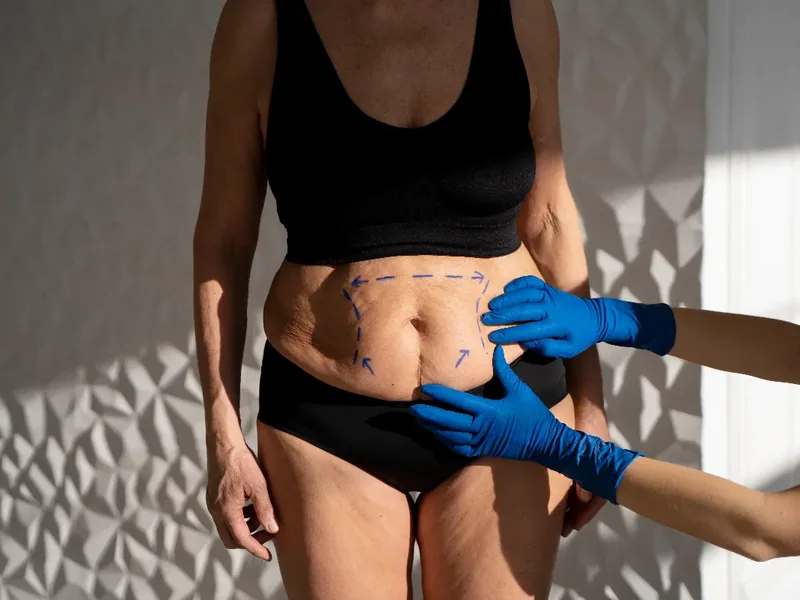
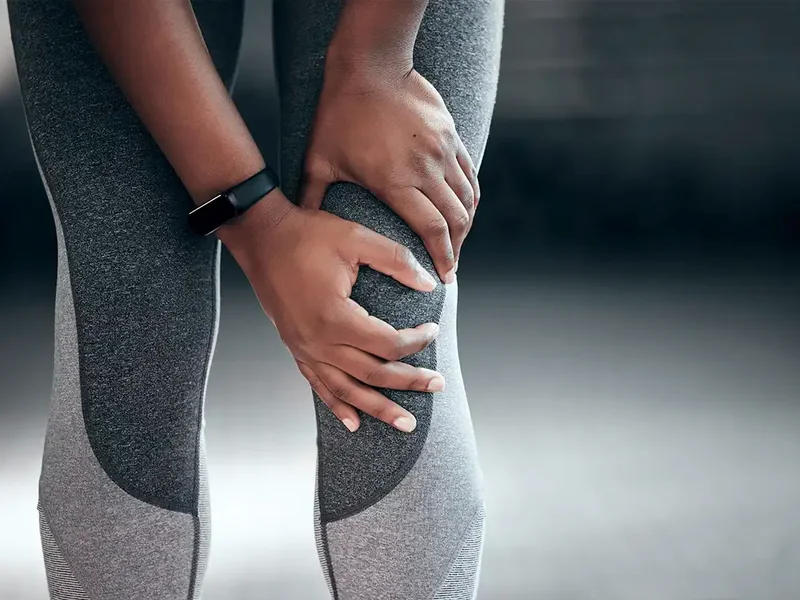
There is usually a gap between the decision and the date. Spend it well. Quadriceps strength before a knee replacement is one of the better predictors of how the early weeks after it will go, and hip work before a replacement makes standing up and walking safer from the start. We build strength in the ranges that do not provoke the joint, and we teach the crutch and stair technique before you need it.
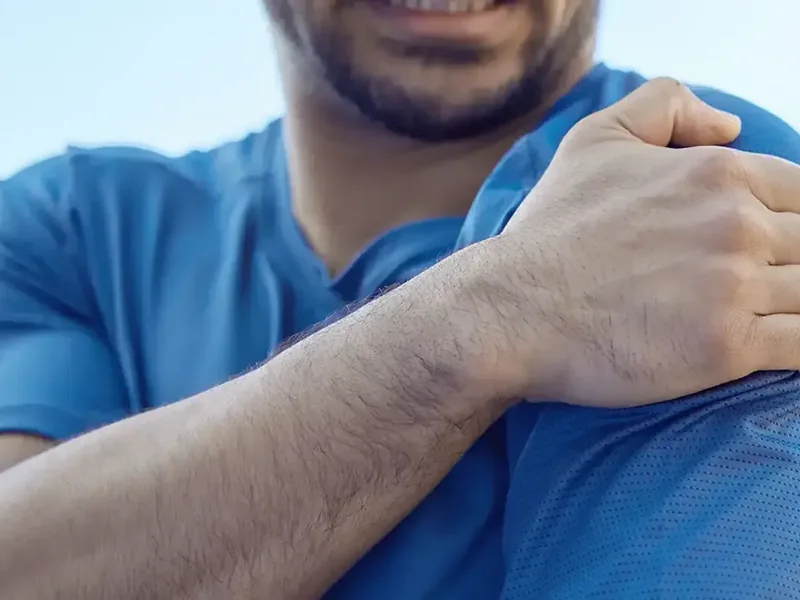
A repaired cuff has a protocol, and the protocol is not optional. Move too little and the shoulder stiffens into a capsule problem. Move too much too soon and you put the repair at risk. The work is passive range first, then active range, then loading the cuff and the shoulder blade, in that order. Dr. Egbuzie works to your surgeon's protocol and keeps you honest about which stage you are actually in.
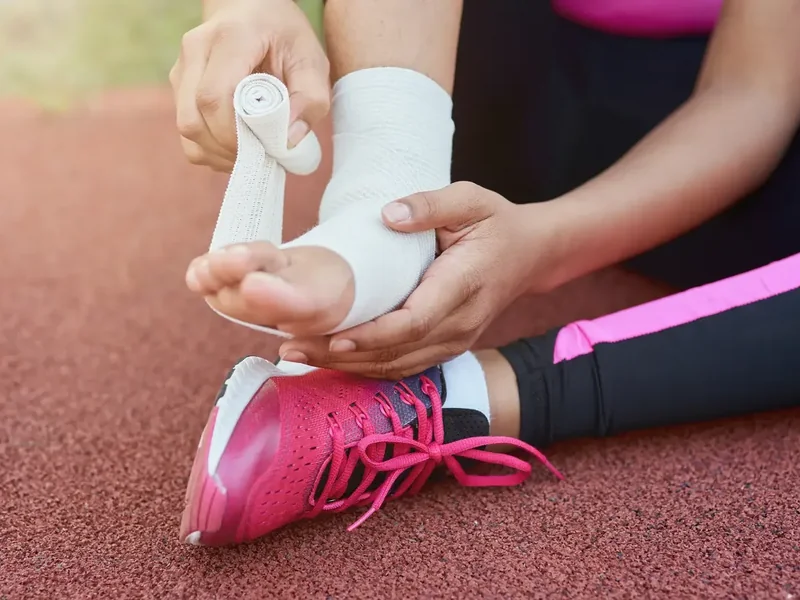
Getting the knee fully straight and the quad firing again comes before anything impressive. Most setbacks trace back to extension that was never properly restored or a quadriceps that stayed asleep. From there it is strength, then landing mechanics, then change of direction, with each stage earned rather than scheduled. Returning to sport is a decision made on testing, not on a date on a calendar.
A fusion or a decompression changes how the spine shares load, and the muscles around it have usually been guarding for a long time before the operation. Early rehabilitation respects the surgical restrictions while restoring hip and thoracic movement, so the operated level is not asked to do everyone else's job. Then core endurance, walking tolerance and lifting mechanics get rebuilt in a sequence your surgeon would recognize.
Some people arrive already weaker than they realize, because months of pain quietly shrank what they were doing. General conditioning matters here as much as the joint itself: breathing capacity, grip, getting off a low chair without using your hands. Better conditioning going in means less to rebuild coming out. You do not need a doctor's note to start that work, because Texas is a direct access state.